
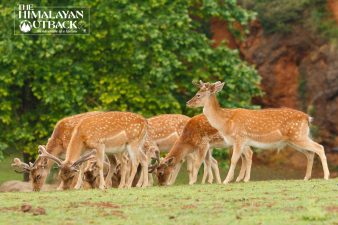
Recent reports indicate a concerning lack of effective conservation efforts for the musk deer in India. Classified as endangered by the International Union for Conservation of Nature, these deer have not seen any successful breeding programmes in Indian zoos. The Central Zoo Authority’s 2024 report reveals that no captive musk deer exist in recognised zoos. Furthermore, there is no recent data on the population of alpine musk deer, raising alarms about their future.
Current Status of Musk Deer in India
The musk deer is listed as endangered and is protected under the Wildlife (Protection) Act, 1972. Despite this, there are no breeding programmes in zoos. A retired wildlife biologist, B.C. Choudhary, criticises the failure of past efforts, stating that captive breeding has not been successful. He marks that China has made advancements in breeding and musk extraction techniques without harming the animals.
Historical Context of Breeding Efforts
Breeding efforts for musk deer began in India in 1965. The Wildlife (Protection) Act, 1972 aimed to create a healthy captive population for reintroduction into the wild. However, many breeding centres, such as those in Kufri and Almora, have failed to meet their objectives. The situation deteriorated further when a breeding centre in Kedarnath Wildlife Sanctuary closed in 2006.
Challenges in Conservation
The musk deer faces multiple threats, including poaching for musk, which is highly valued in the perfume and medicine industries. Misidentification of species further complicates conservation efforts. The Central Zoo Authority’s report indicates confusion between the alpine musk deer and the Himalayan musk deer, impacting breeding plans.
Broader Conservation Issues
India’s conservation strategies extend beyond musk deer to other endangered species. Species like the Tibetan antelope and the wild water buffalo also lack effective breeding programmes. The government has initiated a breeding centre for wild water buffalo in Chhattisgarh, yet many species remain without proper conservation measures.
Need for Improved Strategies
The report stresses the need for better monitoring and management of captive populations. It calls for improved genetic tracking and record-keeping. Current breeding plans for other species, such as the gaur and Indian chevrotain, highlight existing challenges in conservation practices.
Investment in Research and Development
Choudhary emphasises the importance of investment in conservation science. There is a lack of funds for research and development, which hampers efforts to collect genetic information about endangered species. The Laboratory for the Conservation of Endangered Species in Hyderabad lacks comprehensive data on all endangered species.
Future Directions
The report suggests that adding new species to breeding programmes is premature given the current state of conservation for existing species. It marks the need for India to develop its own list of endangered species rather than relying solely on the IUCN Red List.
Questions for UPSC:
- Critically examine the effectiveness of captive breeding programmes for endangered species in India.
- Discuss the impact of poaching on the conservation status of musk deer and similar species.
- Explain the significance of genetic monitoring in wildlife conservation efforts.
- With suitable examples, discuss the challenges faced in the conservation of critically endangered species in India.
Answer Hints:
1. Critically examine the effectiveness of captive breeding programmes for endangered species in India.
- Many captive breeding programmes have failed to produce viable populations for reintroduction into the wild.
- Historical attempts, like those for musk deer, were often not designed with conservation as a primary goal.
- Breeding facilities, such as those in Kufri and Almora, have not met their objectives and often faced closures.
- Confusion in species identification hampers successful breeding efforts and genetic purity.
- Successful programmes exist for some species, but they reveal systemic issues like poor record-keeping and uncoordinated transfers.
2. Discuss the impact of poaching on the conservation status of musk deer and similar species.
- Poaching for musk, highly valued in perfume and medicine, poses threat to musk deer populations.
- The demand for musk drives illegal hunting, leading to drastic population declines.
- Conservation efforts are undermined by the lucrative nature of poaching, making it a persistent challenge.
- Similar species face poaching pressures, complicating broader conservation efforts across various endangered species.
- Legal protections exist, but enforcement is often weak, allowing poaching to continue unchecked.
3. Explain the significance of genetic monitoring in wildlife conservation efforts.
- Genetic monitoring helps maintain genetic diversity, which is crucial for the survival of species.
- It allows for tracking lineage and identity of individuals, ensuring healthy breeding practices.
- About genetic health can inform captive breeding programmes and reintroduction strategies.
- Monitoring aids in identifying misidentified species, which is vital for effective conservation planning.
- Data from genetic studies can guide conservation policies and improve management of populations.
4. With suitable examples, discuss the challenges faced in the conservation of critically endangered species in India.
- Misidentification of species, as seen with musk deer, complicates conservation efforts and breeding plans.
- Insufficient funding and resources hinder research and effective conservation strategies for endangered species.
- Poaching remains threat, impacting species like the wild water buffalo and pygmy hog.
- Limited cooperation among states in India leads to fragmented conservation efforts and data sharing.
- Inadequate infrastructure and management practices in breeding centres contribute to failures in conservation initiatives.