
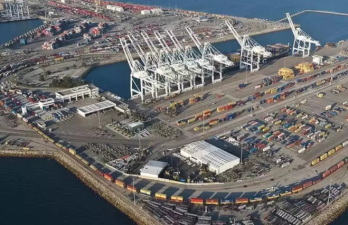
India’s ambitions to develop the Chabahar port in Iran face renewed challenges in 2025. The US has reinstated sanctions on the port, disrupting India’s plans. Chabahar is vital for India’s regional connectivity and strategic interests. These sanctions come amid complex geopolitical and economic tensions. The port’s development is crucial for India’s access to Afghanistan and Central Asia, bypassing Pakistan. This article outlines the key aspects and implications of the Chabahar port situation.
Strategic Importance of Chabahar Port
Chabahar is located on Iran’s southeastern coast near the Gulf of Oman. It offers India a direct route to landlocked Afghanistan and Central Asian countries. The port is part of the International North South Transport Corridor (INSTC), linking India to northern Europe. Chabahar also provides India a strategic foothold in the Indian Ocean Region. It counters China’s influence through the nearby Gwadar port in Pakistan. The port supports India’s regional connectivity and security objectives.
Impact of US Sanctions
US sanctions on Iran resumed on 29 September 2025, ending a waiver that allowed India to develop the Shahid Beheshti terminal at Chabahar. The waiver, first granted in 2018, enabled India to invest and operate the port. It was mainly justified by humanitarian needs in Afghanistan. The Trump administration’s earlier policies, including tariffs on Indian goods and pressure over oil imports from Russia, worsened ties. The absence of a waiver now restricts India’s port activities and investments. India must comply to avoid secondary sanctions.
India’s Development Efforts and Challenges
India has invested $120 million in the Shahid Beheshti terminal via Indian Ports Global Limited. A 10-year contract with Iran was signed in 2024 to operate the terminal. The renewed sanctions jeopardise these commitments. India is assessing the impact while balancing diplomatic ties with Iran. Tehran understands India’s constraints on oil imports due to sanctions. However, the new port sanctions create a dual setback. India’s ability to fulfil contractual obligations is uncertain.
Geopolitical Context and Regional Implications
The Chabahar port issue unfolds amid India’s evolving relations with the Taliban-led Afghan government. India has not officially recognised the Taliban but engages pragmatically. Recent diplomatic contacts include meetings between Indian and Afghan ministers. India plans to host the Afghan foreign minister in October 2025. Discussions will likely cover the port sanctions and regional connectivity. The UN Security Council’s reimposition of sanctions on Iran’s nuclear programme adds pressure. India’s strategic patience is tested as it navigates complex geopolitical realities.
Significance for India’s Regional Strategy
Chabahar remains a rare gateway for India to access Central Asia and Afghanistan without Pakistan’s involvement. It enhances India’s influence in the Indian Ocean Region. The port counters the China-Pakistan axis centred on Gwadar. Despite sanctions, India’s commitment to Chabahar reflects its long-term regional ambitions. The project’s delay affects trade, connectivity, and strategic balance. India must balance sanctions compliance with diplomatic and security interests.
Questions for UPSC:
- Critically discuss the role of strategic ports like Chabahar in enhancing India’s regional connectivity and security in the Indian Ocean Region.
- Analyse the impact of international sanctions on India’s foreign policy and economic interests, with special reference to the Chabahar port project.
- Examine the challenges and opportunities in India’s engagement with the Taliban-led Afghan government and its implications for regional stability.
- Estimate the geopolitical significance of the International North South Transport Corridor (INSTC) and its potential to reshape trade routes between South Asia and Europe.