
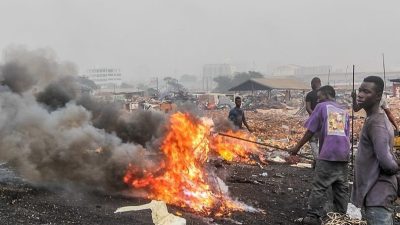
Every winter, the national capital slips into a public health emergency as thick smog blankets Delhi and its surrounding NCR districts. Schools shut, offices stagger timings, and advisories urge citizens to stay indoors. Yet these measures offer only temporary relief. The deeper question that resurfaces each year is whether clean air in India is merely a policy goal—or a constitutionally guaranteed right.
Why Delhi’s Winter Smog Has Become a Public Health Crisis
Delhi’s air pollution is not an episodic inconvenience but a structural problem rooted in multiple sources—vehicular emissions, industrial processes, construction dust, waste burning, and agricultural residue. Among these, particulate matter has emerged as the most lethal pollutant. Fine particles penetrate deep into the lungs and bloodstream, triggering respiratory illnesses, heart disease, strokes, and premature deaths. Children and the elderly are particularly vulnerable, making winter pollution not just an environmental issue but a human development concern.
Understanding Particulate Matter and Its Health Impact
Air quality regulations classify particulate matter based on size. PM10 particles can enter the respiratory tract, while PM2.5 particles are far more dangerous due to their ability to lodge deep in the lungs. Diesel particulate matter, largely under one micron, is a sub-category of PM2.5 and is especially toxic. Scientific evidence increasingly links prolonged exposure to these pollutants with chronic diseases, reinforcing the argument that air pollution directly infringes the right to live with dignity.
GRAP and the Role of
In response to worsening air quality, the Commission for Air Quality Management has amended the Graded Response Action Plan (GRAP). Under Phases 3 and 4, closure of schools in Delhi and NCR districts has now been made mandatory, removing the earlier discretion enjoyed by state governments. Additionally, Phase 3 requires staggered office timings for public institutions to reduce peak-hour emissions. These changes signal a shift from advisory governance to enforceable regulatory intervention.
How Indian Constitutional Law Read Clean Air into Article 21
Although the original Constitution did not explicitly mention environmental protection, judicial interpretation gradually expanded the scope of fundamental rights. The Supreme Court read the right to a clean environment into Article 21, which guarantees the right to life. Over time, this interpretation was reinforced through Directive Principles and Fundamental Duties—particularly Articles 48A and 51A(g)—placing responsibility on both the state and citizens to protect the environment.
Judicial Activism, PILs, and Environmental Governance
Rapid industrialisation and liberalisation since the mid-1980s intensified environmental degradation, compelling the judiciary to intervene. Public Interest Litigations under Articles 32 and 226 became crucial tools for environmental justice. Through these, the courts balanced economic development with ecological sustainability, recognising pollution-free air and water as essential for a meaningful life. Environmental protection thus evolved into a core element of India’s welfare state framework.
Disasters, Liability, and Global Environmental Principles
Environmental disasters—natural or man-made—underscore the need for robust legal principles. Indian jurisprudence introduced the doctrine of absolute liability for hazardous industries, alongside globally recognised norms such as the precautionary principle and the polluter pays principle. Together, these principles reject the outdated notion that development and ecology are inherently opposed, instead prioritising sustainable development as a constitutional value.
Public Trust Doctrine and Climate Change Jurisprudence
Another cornerstone of environmental law is the public trust doctrine, which treats the state as a trustee of natural resources for public benefit. Drawing from Directive Principles and Article 21, the Supreme Court has applied this doctrine to protect public spaces and ecological assets. In a significant 2024 ruling, the Court also recognised the right against adverse effects of climate change as part of the rights to life and equality, signalling a new phase of climate-conscious constitutionalism.
Why the Demand for an Explicit Right to Clean Air Is Growing
Despite judicial recognition, environmental rights remain indirectly enforceable, dependent on linkage with existing fundamental rights. This often allows executive inaction and weak enforcement. As pollution emergencies become routine, the argument for explicitly incorporating the right to a clean and healthy environment into the Constitution gains strength—placing equal responsibility on the state and citizens, and moving from seasonal firefighting to long-term environmental justice.
What to Note for Prelims?
- GRAP Phases 3 and 4 and their mandatory measures
- PM10 vs PM2.5 and health impacts
- Articles 21, 48A, and 51A(g)
- Key principles: precautionary, polluter pays, absolute liability
What to Note for Mains?
- Judicial expansion of Article 21 to include environmental rights
- Role of PILs in environmental governance
- Public trust doctrine and climate change jurisprudence
- Debate on constitutionalising the right to a clean environment