
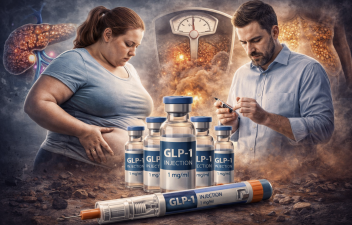
Recent developments have brought GLP-1 drugs into focus as an effective treatment for type 2 diabetes and obesity. These medications correct hormonal imbalances that cause high blood sugar and excess weight. India’s Drug Controller General has intensified regulation to prevent misuse and unauthorised sales amid rising demand and concerns over safety.
About Diabetes and Hormonal Imbalance
Diabetes is a chronic condition where the body cannot use insulin properly or produce enough of it. Insulin lowers blood sugar by helping cells absorb glucose. Glucagon raises blood sugar when it falls too low. In type 2 diabetes, insulin resistance or deficiency occurs, while glucagon remains high, worsening blood sugar control. GLP-1 drugs mimic the natural hormone glucagon-like peptide-1 to stimulate insulin and suppress glucagon, restoring balance.
Obesity and Its Link to Diabetes
Obesity is defined by a body mass index (BMI) of 25 or higher and is a major risk factor for type 2 diabetes. Excess abdominal fat increases insulin resistance. Obesity also contributes to cardiovascular diseases and some cancers. Preventive measures include healthy eating, regular exercise, and avoiding tobacco. GLP-1 drugs help reduce appetite and slow gastric emptying, supporting weight loss alongside diabetes control.
How GLP-1 Drugs Work and Their Use
GLP-1 drugs stimulate the pancreas to release insulin and reduce glucagon secretion. They slow stomach emptying, making patients feel full longer and eat less. These drugs come in injectable and oral forms, including semaglutide, liraglutide, tirzepatide, and others. They are prescribed mainly by endocrinologists and specialists under strict medical supervision.
Regulation and Risks of GLP-1 Drugs
GLP-1 drugs can cause side effects like nausea, dizziness, pancreatitis, or thyroid cancer. Unsupervised use may lead to serious health issues. India’s Drug Controller General has issued advisories to prevent misleading promotions and unauthorised sales. Recent inspections targeted pharmacies, wholesalers, and clinics. Violators face fines, license cancellation, and legal action to ensure safe use.
Topics for Prelims:
Diabetes Mellitus
- Chronic disease with high blood sugar due to insulin issues.
- Type 1 – Insulin deficiency; Type 2 – Insulin resistance and deficiency.
- Complications include blindness, kidney failure, heart disease.
- Prevention via healthy lifestyle and weight control.
- Hormones insulin and glucagon regulate blood sugar.
Obesity and BMI
- Obesity – BMI ≥ 25 kg/m²; overweight – BMI 23-24.99 kg/m².
- Excess fat causes insulin resistance and health risks.
- Linked to cardiovascular diseases and some cancers.
- Preventable by diet, exercise, and avoiding tobacco.
- Abdominal fat particularly raises diabetes risk.
GLP-1 Drugs
- Mimic glucagon-like peptide-1 hormone effects.
- Stimulate insulin release and suppress glucagon.
- Slow gastric emptying to reduce appetite and aid weight loss.
- Available as injections and oral tablets.
- Require strict medical supervision due to side effects.
Questions for Mains:
- Critically discuss the role of GLP-1 receptor agonists in managing type 2 diabetes and obesity with respect to hormonal regulation. [GS-III-Science & Technology]
- Examine the challenges in regulating new pharmaceutical drugs like GLP-1 agonists in India and their implications for public health governance. [GS-II-Governance]
- Estimate the impact of obesity on the prevalence of non-communicable diseases in India and analyse preventive strategies. [GS-III-Economic Development]
- Point out the physiological mechanisms of insulin resistance and discuss how lifestyle interventions can mitigate type 2 diabetes risk. [GS-I-Indian Society]
Answer Hints:
1. Critically discuss the role of GLP-1 receptor agonists in managing type 2 diabetes and obesity with respect to hormonal regulation. [GS-III-Science & Technology]
- GLP-1 receptor agonists mimic endogenous GLP-1 hormone, stimulating insulin secretion and suppressing glucagon release, restoring blood glucose balance.
- They improve pancreatic beta-cell function, enhancing insulin response to meals in type 2 diabetes patients.
- By slowing gastric emptying, they increase satiety, reduce appetite, and promote weight loss beneficial for obesity management.
- Dual action addresses both hyperglycemia and excess body weight, tackling two interlinked metabolic disorders simultaneously.
- Require medical supervision due to side effects like nausea, pancreatitis, and rare thyroid cancer risk.
- Represent advancement over traditional diabetes drugs by targeting hormonal regulation and appetite control.
2. Examine the challenges in regulating new pharmaceutical drugs like GLP-1 agonists in India and their implications for public health governance. [GS-II-Governance]
- Rapid market demand leads to unauthorised sales through online platforms, retail pharmacies, and wellness clinics, risking misuse.
- Need for strict prescription-only policies enforced by endocrinologists and specialists to prevent unsupervised consumption and adverse effects.
- Challenges include controlling misleading advertisements and promotional practices encouraging self-medication.
- Regulatory bodies like Drug Controller General of India conduct audits, inspections, and issue advisories to curb malpractices.
- Violations attract penalties including license cancellation, fines, and legal action to ensure ethical pharmaceutical supply chains.
- Effective governance essential to balance accessibility with safety, protecting public health from drug-related harm.
3. Estimate the impact of obesity on the prevalence of non-communicable diseases in India and analyse preventive strategies. [GS-III-Economic Development]
- Obesity (BMI ≥ 25 kg/m²) increases risk of type 2 diabetes, cardiovascular diseases, and certain cancers in India.
- Excess abdominal fat contributes to insulin resistance, a key factor in metabolic syndrome and diabetes epidemic.
- Rising obesity rates strain healthcare resources and economic productivity due to chronic disease burden.
- Preventive strategies include promoting healthy diets rich in fruits, vegetables, whole grains, and reducing sugar/fat intake.
- Regular physical activity (150 minutes/week adults, 60 minutes/day children) essential to maintain healthy weight.
- Public awareness, tobacco cessation, and policy measures targeting food environment and lifestyle crucial for obesity control.
4. Point out the physiological mechanisms of insulin resistance and discuss how lifestyle interventions can mitigate type 2 diabetes risk. [GS-I-Indian Society]
- Insulin resistance occurs when body’s cells fail to respond effectively to insulin, leading to elevated blood glucose levels.
- Excess abdominal fat releases inflammatory cytokines impairing insulin signaling pathways.
- Pancreas compensates by producing more insulin, but over time beta-cell dysfunction leads to insulin deficiency.
- Lifestyle interventions like weight reduction improve insulin sensitivity and glucose uptake by cells.
- Regular physical activity enhances muscle glucose utilization and reduces fat accumulation.
- Healthy diet low in sugars and saturated fats prevents excessive glucose spikes and reduces obesity risk.