
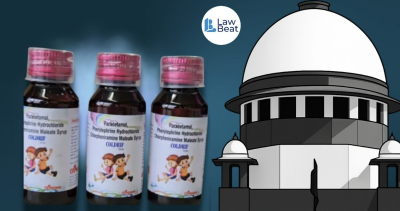
India has prohibited the sale and use of cough syrups for children below two years of age nationwide. The decision was implemented by the Ministry of Health and Family Welfare following safety concerns. The ban targets all cough syrups containing specific active ingredients deemed unsafe for infants.
Details of the Ban
The ban applies to cough syrups containing codeine, dextromethorphan, and pholcodine. These ingredients are associated with respiratory depression and other adverse effects in young children. The restriction covers both over-the-counter and prescription cough syrups. Manufacturers have been instructed to withdraw these products from the market immediately.
Regulatory Framework
The Central Drugs Standard Control Organisation (CDSCO) issued the directive under the Drugs and Cosmetics Act. The move aligns with global regulatory practices that restrict cough suppressant use in infants. The Ministry cited adverse event reports and international guidelines as the basis for the ban.
Implementation and Enforcement
Pharmacies and healthcare providers must comply with the ban from the date of notification. Violations may attract penalties including fines and licence suspension. The government plans to monitor compliance through inspections and reports from state drug control authorities.
Alternatives and Recommendations
Healthcare professionals have been advised to use non-pharmacological treatments for infant coughs. Symptomatic care such as humidified air and hydration is recommended. The Ministry has urged doctors to prescribe safe medications only when necessary.
What to Study for UPSC Exams?
- Drug Regulation in India
- Pharmaceutical Safety Standards
- Infant Healthcare Policies
- Role of CDSCO
Drug Regulation in India
India’s Drugs and Cosmetics Act, 1940 governs drug regulation, ensuring safety, efficacy, and quality. The Central Drugs Standard Control Organisation (CDSCO) is the national regulatory authority. India classifies drugs into prescription and over-the-counter categories with strict controls on banned substances. The regulatory framework involves licensing, inspections, and post-market surveillance to prevent substandard and counterfeit drugs.
Pharmaceutical Safety Standards
Pharmaceutical safety standards include Good Manufacturing Practices (GMP), pharmacovigilance, and stringent clinical trial protocols. The International Council for Harmonisation (ICH) guidelines influence Indian standards. Safety assessments focus on adverse drug reactions, drug interactions, and contraindications. Regulatory bodies mandate labeling, packaging, and storage conditions to maintain drug integrity.
Infant Healthcare Policies
Infant healthcare policies prioritize immunization, nutrition, and disease prevention. Programs like Integrated Child Development Services (ICDS) and National Health Mission (NHM) target infant mortality reduction. Policies restrict harmful medications and promote breastfeeding. Guidelines emphasize safe medication dosages and non-pharmacological treatments for infants to reduce adverse effects.
Role of CDSCO
The CDSCO regulates drug approval, clinical trials, and import/export controls in India. It functions under the Ministry of Health and Family Welfare. CDSCO monitors drug safety through adverse event reporting and inspections. It collaborates with international agencies like WHO for harmonized standards and enforces the Drugs and Cosmetics Act for public health protection.
Last Modified: April 11, 2026