
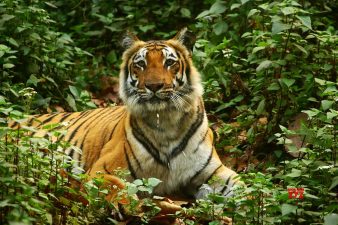
Madhya Pradesh is taking steps to enhance wildlife conservation. The Cabinet has given in-principle approval for the development of buffer zones in nine tiger reserves. This initiative is part of a broader strategy to protect and expand natural habitats. The total budget for this scheme is ₹145 crore, allocated for the financial years 2025-26 and 2027-28.
Background of the Initiative
The decision was made during a Cabinet meeting chaired by Chief Minister Mohan Yadav. The government aims to address the ecological needs of tiger populations and their habitats. The initiative comes as tiger numbers in these reserves have shown a positive trend. The population in buffer zones has increased over the last four years.
Key Features of the Scheme
The scheme includes several critical components. Firstly, chain-link fencing will be installed in ecologically sensitive areas. This will help protect wildlife from human encroachment. Secondly, the development of grasslands and water resources is planned. These enhancements will support the overall ecosystem. Additionally, wildlife protection and fire safety measures will be implemented.
Community Involvement
The scheme also focuses on local communities. Skill development training programs will be provided. This aims to engage locals in conservation efforts. Community involvement is crucial for the long-term success of wildlife protection initiatives.
Health Monitoring of Wildlife
Health monitoring and treatment of wild animals is another vital aspect of the initiative. Regular health checks will ensure that the tiger population remains healthy. This proactive approach aims to prevent disease outbreaks among wildlife.
Importance of Buffer Zones
Buffer zones play a critical role in conservation. They provide a transition area between protected reserves and human settlements. This reduces human-wildlife conflict. The increase in tiger numbers from 526 to 785 in buffer zones puts stress on their importance.
Future Prospects
The approval of this scheme signals a commitment to wildlife conservation in Madhya Pradesh. Continued investment in buffer zones can lead to sustainable growth in tiger populations. It also marks the need for ongoing efforts in habitat protection and community engagement.
Questions for UPSC:
- Examine the role of buffer zones in wildlife conservation and their impact on biodiversity.
- Discuss the significance of community involvement in conservation efforts with suitable examples.
- What are the ecological benefits of developing grasslands and water resources in tiger reserves? Explain.
- Critically discuss the measures necessary for reducing human-wildlife conflict in protected areas.
Answer Hints:
1. Examine the role of buffer zones in wildlife conservation and their impact on biodiversity.
- Buffer zones serve as transitional areas that reduce human-wildlife conflict.
- They provide critical habitats that support diverse flora and fauna.
- Buffer zones enhance ecological resilience by connecting fragmented habitats.
- They allow for the natural movement of species, promoting genetic diversity.
- Effective management of buffer zones can lead to increased wildlife populations, as seen in Madhya Pradesh.
2. Discuss the significance of community involvement in conservation efforts with suitable examples.
- Community involvement encourages local stewardship over natural resources.
- Engaging locals in conservation creates economic opportunities through eco-tourism.
- Training programs empower communities to participate in wildlife monitoring and protection.
- Successful examples include community-managed forests in various regions of India.
- Local support is crucial for the sustainability of conservation initiatives, as it ensures compliance and reduces poaching.
3. What are the ecological benefits of developing grasslands and water resources in tiger reserves? Explain.
- Grasslands provide essential grazing areas for herbivores, supporting the food chain.
- Water resources are vital for wildlife hydration and habitat diversity.
- Healthy grasslands enhance soil quality and prevent erosion, promoting ecosystem stability.
- Increased vegetation cover supports a wider range of species, boosting biodiversity.
- These developments contribute to the overall health of the ecosystem, ensuring sustainable wildlife populations.
4. Critically discuss the measures necessary for reducing human-wildlife conflict in protected areas.
- Implementing effective fencing and barriers to deter wildlife from human settlements.
- Promoting community awareness programs about wildlife behavior and conservation.
- Establishing compensation schemes for farmers affected by wildlife damage.
- Encouraging sustainable agricultural practices that minimize encroachment into wildlife habitats.
- Utilizing technology, such as GPS tracking, to monitor wildlife movements and predict conflicts.