
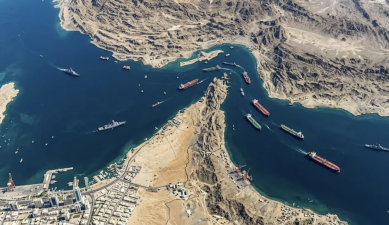
India and Japan held bilateral talks focused on security cooperation in the Strait of Hormuz. The discussions took place during a high-level diplomatic meeting in New Delhi. Both countries emphasised safeguarding maritime trade routes critical for energy supplies. The Strait of Hormuz is a strategic chokepoint connecting the Persian Gulf with the Gulf of Oman.
Maritime Security Concerns
The Strait of Hormuz handles nearly 20% of global oil trade, making it vital for energy security. Both India and Japan expressed concerns over recent incidents affecting free navigation in the region. They discussed joint measures to enhance maritime domain awareness and prevent disruptions. The talks included proposals for increased naval patrols and intelligence sharing.
Strategic Partnerships and Naval Cooperation
India and Japan agreed to strengthen their naval collaboration through joint exercises and information exchange. The Indian Navy and Japan Maritime Self-Defense Force have conducted multiple exercises such as JIMEX and Malabar. Both sides considered expanding these exercises to include operations near the Strait of Hormuz. Enhanced cooperation aims to ensure safe passage for commercial vessels.
Energy Security Linkages
Japan imports about 90% of its oil from the Middle East, with a significant share passing through the Strait of Hormuz. India also relies on the region for nearly 70% of its crude oil imports. Both countries seek to diversify energy routes while maintaining security in the Strait. Discussions included potential collaboration in alternative energy supply chains and infrastructure protection.
Diplomatic and Regional Context
The talks occurred amid rising geopolitical tensions in the Gulf region involving Iran, the US, and Gulf Cooperation Council states. India and Japan reaffirmed their commitment to multilateral frameworks for maritime security. They also highlighted the importance of upholding international law, including the United Nations Convention on the Law of the Sea (UNCLOS).
What to Study for UPSC Exams?
- Strait of Hormuz Strategic Importance
- India-Japan Maritime Cooperation
- Maritime Security Mechanisms
- Energy Security and Trade Routes
Strait of Hormuz Strategic Importance
The Strait of Hormuz is one of the world’s narrowest chokepoints, only about 21 nautical miles wide at its narrowest. Approximately 18-20 million barrels of oil per day, nearly 20% of global petroleum trade, pass through it. It connects the Persian Gulf to the Gulf of Oman and the Arabian Sea, making it critical for global energy markets and naval strategy.
India-Japan Maritime Cooperation
India and Japan conduct joint naval exercises like JIMEX and Malabar, focusing on interoperability and strategic presence in Indo-Pacific waters. Their cooperation includes intelligence sharing, coordinated patrols, and capacity building to ensure freedom of navigation. Japan Maritime Self-Defense Force and Indian Navy have expanded collaboration beyond bilateral to trilateral exercises with the US.
Maritime Security Mechanisms
Maritime security mechanisms include naval patrols, maritime domain awareness systems using satellite and AIS data, and multilateral frameworks like the Indian Ocean Rim Association. These mechanisms aim to prevent piracy, smuggling, and territorial incursions while safeguarding trade routes. Intelligence sharing and coordinated responses enhance threat detection and mitigation.
Energy Security and Trade Routes
Japan imports over 90% of its oil, and India about 70%, from Middle Eastern sources via critical maritime routes including the Strait of Hormuz. Both countries explore diversification through pipelines, LNG terminals, and renewable energy investments. Protection of these trade routes involves naval escorts and infrastructure security to mitigate geopolitical risks and supply disruptions.
Last Modified: April 11, 2026