
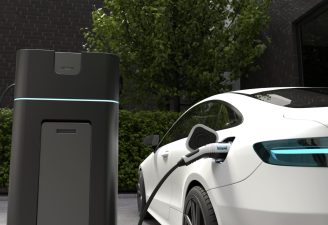
The Delhi Government released the draft Electric Vehicle Policy 2026 on 4 April 2026, proposing tax exemptions and incentives for electric and hybrid vehicles. The policy offers a 50% exemption on road tax and registration fees for strong hybrid cars priced up to Rs 30 lakh. It also proposes a ban on registration of new internal combustion engine (ICE) two-wheelers from April 2028 and CNG autos from 2027.
Tax Exemptions and Incentives
Electric vehicles registered in Delhi after the policy notification will receive 100% exemption from road tax and registration fees under specified conditions. Electric cars priced up to Rs 30 lakh will enjoy full exemption until 31 March 2030. Strong hybrid vehicles will receive a 50% exemption on these charges. Vehicles priced above Rs 30 lakh will not be eligible for exemptions.
Purchase Incentives and Scrappage Benefits
Electric two-wheelers priced up to Rs 2.25 lakh will get incentives starting at Rs 10,000 per kWh, capped at Rs 30,000 in the first year, decreasing over three years. Electric auto-rickshaws will receive Rs 50,000 in the first year, reducing annually to Rs 30,000 by the third year. Scrappage-linked incentives include Rs 10,000 for electric two-wheelers, Rs 25,000 for electric three-wheelers, and Rs 1 lakh for electric cars up to Rs 30 lakh, subject to scrapping BS-IV or older vehicles.
Infrastructure and Implementation
The policy aims to develop a comprehensive public and private EV charging and battery swapping network. A dedicated digital portal will manage approvals, monitoring, and operations of charging infrastructure. An EV Fund with a budget of Rs 3,954.25 crore will support incentives, scrappage schemes, and infrastructure development.
Policy Duration and Public Consultation
The policy is valid until 31 March 2030. Public comments are invited until 10 May 2026 via email or post. After the consultation period, the policy will be implemented. Annual expenditure is planned at Rs 965.5 crore in the first year, increasing to Rs 1,231.5 crore in the third year, and Rs 744.5 crore in the fourth year.
What to Study for UPSC Exams?
- Electric Vehicle Policies in India
- Urban Air Quality Management
- State-Level Environmental Governance
- Renewable Energy and Sustainable Transport
Electric Vehicle Policies in India
India’s first national EV policy was launched in 2013 to promote hybrid and electric vehicles. The Faster Adoption and Manufacturing of Hybrid and Electric Vehicles (FAME) scheme started in 2015, providing subsidies for EVs and charging infrastructure. States have their own policies with varying incentives, often including tax exemptions, scrappage benefits, and infrastructure development targets to accelerate EV adoption.
Urban Air Quality Management
Urban air quality management involves monitoring pollutants like PM2.5, NOx, and SO2 using fixed and mobile stations. Strategies include emission controls, traffic management, and green space expansion. The Air Quality Index (AQI) standardizes pollution levels for public awareness. Cities worldwide use real-time data and predictive models to mitigate pollution spikes and health risks.
State-Level Environmental Governance
State environmental governance in India operates under the Environment Protection Act, 1986, with State Pollution Control Boards enforcing regulations. States implement policies on waste management, water quality, and forest conservation tailored to local needs. Coordination with central agencies ensures compliance with national standards, while public participation mechanisms are increasingly integrated for transparency.
Renewable Energy and Sustainable Transport
Renewable energy sources include solar, wind, biomass, and small hydro, contributing to grid diversification. Sustainable transport integrates electric vehicles, biofuels, and public transit to reduce carbon emissions. Innovations include vehicle-to-grid (V2G) technology and hydrogen fuel cells. Policy frameworks often incentivize renewable adoption and infrastructure to decouple transport emissions from fossil fuels.
Last Modified: April 12, 2026