
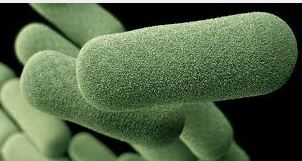
The United States is witnessing a resurgence of Haemophilus influenzae type b (Hib), a bacterial infection that primarily affects children under five. The disease, once controlled by vaccination since the late 1980s, now infects around 20,000 children annually, causing nearly 1,000 deaths. Declining vaccination rates are the main factor behind this increase.
Causes of Hib Resurgence
Declining childhood vaccination rates have led to reduced herd immunity against Hib. Contributing factors include vaccine hesitancy, misinformation on social media, and disruptions in routine immunisation during the COVID-19 pandemic. Lower vaccine coverage allows Hib bacteria to spread more easily among unvaccinated or partially vaccinated children.
Health Impact of Hib Infection
Hib causes severe illnesses such as meningitis, pneumonia, epiglottitis, and sepsis. Symptoms develop rapidly and include high fever, stiff neck, breathing difficulties, light sensitivity, and confusion. Untreated cases can become fatal within hours. Survivors may suffer lifelong complications like hearing loss, brain damage, or developmental delays.
Vaccination and Disease Control
The Hib vaccine, introduced in the late 1980s, reduced disease incidence by over 99%. It is administered in multiple doses starting at two months of age. The vaccine remains highly effective, and health authorities worldwide recommend routine Hib immunisation. The current resurgence reflects gaps in vaccine coverage rather than vaccine failure.
Current Epidemiological Trends
Several US states report increased invasive Hib cases, mainly among unvaccinated children. Although total cases remain below pre-vaccine levels, the upward trend poses diagnostic challenges, as many younger doctors lack experience with Hib. Public health officials urge timely vaccination to prevent further spread and fatalities.
What to Study for UPSC Exams?
- Vaccine-preventable diseases in children
- Impact of misinformation on public health
- Immunisation programmes in India
- Role of herd immunity in disease control
Vaccine-preventable diseases in children
These diseases include measles, polio, diphtheria, pertussis, and Hib. Vaccines stimulate immune memory without causing illness. Global vaccination prevents an estimated 2-3 million deaths annually. Some diseases, like smallpox, have been eradicated solely through vaccination.
Impact of misinformation on public health
Misinformation can lower vaccination rates and increase disease outbreaks. Social media accelerates spread of false health claims. Historical examples include the 2019 measles resurgence linked to anti-vaccine rumors. Combatting misinformation requires coordinated communication strategies.
Immunisation programmes in India
India’s Universal Immunisation Programme (UIP) began in 1985, targeting 12 vaccine-preventable diseases. It is one of the largest globally, vaccinating over 26 million infants annually. Recent additions include rotavirus and pneumococcal vaccines. Cold chain logistics remain a critical challenge.
Role of herd immunity in disease control
Herd immunity occurs when a high percentage of a population is immune, indirectly protecting unvaccinated individuals. Thresholds vary by disease, often 80-95%. It prevents outbreaks and can lead to disease elimination. Natural infection or vaccination can confer herd immunity.
Last Modified: April 12, 2026