
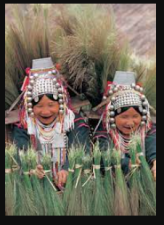
Biodiversity and cultural diversity are intertwined facets of the intricate web of life on Earth. As the variety of species thrives, so too does the rich tapestry of human cultures.
Biodiversity’s Role in Cultural Diversity
- Ecosystem Services: Biodiversity provides a multitude of ecosystem services that directly impact human cultures. From clean air and water to fertile soils, diverse ecosystems contribute to the well-being of communities around the globe. For instance, forests not only harbor a vast array of species but also serve as sources of traditional medicines for many indigenous cultures.
- Food Security: The variety of plant and animal species is fundamental to global food security. Different crops and livestock species have evolved in various regions, shaping the culinary practices and dietary preferences of local communities. Crop diversity, for instance, helps mitigate the risks of pests and diseases while enhancing resilience to climate change.
- Cultural Practices: Biodiversity influences cultural practices and rituals. Traditional festivals, ceremonies, and art forms often celebrate the natural world and its diverse inhabitants. The intricate relationship between biodiversity and cultural practices is evident in indigenous communities that revere certain plants or animals as sacred symbols.
Cultural Diversity’s Impact on Biodiversity Conservation
- Indigenous Knowledge and Stewardship: Indigenous communities, often the custodians of unique biodiversity hotspots, possess invaluable traditional knowledge about sustainable resource management. Their deep understanding of local ecosystems has proven to be instrumental in biodiversity conservation efforts. For example, the traditional agroforestry practices of some indigenous groups promote biodiversity while ensuring food security.
- Traditional Conservation Practices: Many cultures have developed time-tested conservation practices that contribute to the preservation of biodiversity. The Terraced Fields of the Ifugao in the Philippines or the community-managed sacred groves in India are examples of how cultural diversity can play a pivotal role in safeguarding ecosystems and the species they support.
- Ethical Perspectives: Cultural diversity fosters different ethical perspectives towards nature and biodiversity. Some cultures view nature as a partner to be respected, while others may see themselves as stewards entrusted with the responsibility of protecting the environment. These diverse perspectives contribute to a broader understanding of the value of biodiversity.
Case Studies and Examples
To illustrate the intricate relationship between biodiversity and cultural diversity, let’s examine a few notable case studies:
- The Maasai People and Wildlife Conservation in East Africa: The Maasai people of East Africa have a deep cultural connection with the wildlife in their region. Through community-based conservation initiatives, the Maasai have demonstrated how cultural values can align with biodiversity conservation, leading to sustainable coexistence between humans and wildlife.
- The Amazon Rainforest and Indigenous Tribes: The Amazon rainforest is not only a biodiversity hotspot but also home to numerous indigenous tribes. These tribes, such as the Yanomami and Kayapó, rely on the forest for their livelihoods. Their traditional knowledge and sustainable practices contribute significantly to the preservation of the Amazon’s unparalleled biodiversity.
Key Data
To highlight the global significance of biodiversity and cultural diversity, let’s present key data in a table:
| Indicator | Global Statistics |
| Total Number of Species | Estimated 8.7 million |
| Indigenous Languages | Approximately 7,000 worldwide |
| Threatened Species | Over 30,000 according to IUCN Red List |
| Indigenous Peoples | Around 476 million |
| Biodiversity Hotspots | 36 identified worldwide |
Biodiversity and cultural diversity are not disparate entities but rather integral components of a delicate balance that sustains life on Earth. Recognizing and valuing this symbiotic relationship is crucial for fostering sustainable practices, ensuring the conservation of biodiversity, and preserving the wealth of cultural diversity that enriches our global tapestry.
Last Modified: February 23, 2024