
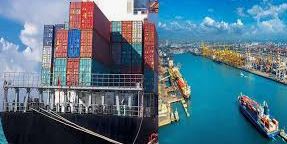
India’s Sagarmala Programme, launched in March 2015, focuses on port-led development and maritime infrastructure enhancement. It covers 12 major ports and over 200 non-major ports along India’s 11,099-kilometre coastline. The programme has initiated 845 projects worth ₹6.06 lakh crore, with 315 projects completed by March 2026.
Key Components of Sagarmala Programme
Sagarmala consists of five pillars: Port Modernization and New Port Development, Port Connectivity Enhancement, Port-Led Industrialization, Coastal Community Development, and Coastal Shipping and Inland Waterways Transport. It aims to upgrade port infrastructure, improve multimodal connectivity, develop industrial clusters near ports, support coastal livelihoods, and promote cost-effective maritime transport.
Infrastructure Development and Capacity Expansion
Completed projects include 11 fishing harbour developments costing ₹1,057 crore, benefiting over 30,000 fishermen. Seven coastal berth projects worth ₹494 crore added 9.84 million tonnes per annum (MTPA) of cargo capacity. Key infrastructure upgrades include the renovation of the Bascule Bridge at Kolkata Port and firefighting facility augmentation at Mumbai Port’s Pir Pau Terminal.
Operational Performance and Cargo Handling
India’s major ports handled a record 915.17 million tonnes of cargo in FY 2025–26, exceeding the target of 904 million tonnes and marking 7.06% year-on-year growth. Vessel turnaround time decreased from 96 hours in 2014 to 49.5 hours in 2025. Nine Indian ports rank among the world’s top 100, with Visakhapatnam in the top 20 for container traffic. Inland waterway cargo movement rose from 18.10 MTPA in 2013–14 to 145.50 MTPA in 2024–25.
Institutional Framework and Financial Support
The National Sagarmala Apex Committee (NSAC) provides policy oversight. State Sagarmala Committees coordinate implementation at state levels. The Sagarmala Finance Corporation Limited (SMFCL), India’s first maritime-focused NBFC, was formed in 2025 and sanctioned loans worth ₹4,300 crore in December 2025. SMFCL supports financing gaps in maritime infrastructure and services.
What to Study for UPSC Exams?
- Multimodal Transport Networks
- Port-Led Industrialisation Models
- Inland Waterways and Coastal Shipping
- Maritime Infrastructure Financing
Multimodal Transport Networks
Multimodal transport networks integrate two or more modes of transport such as rail, road, sea, and air to move goods efficiently. The first recorded multimodal transport contract dates back to the 19th century. These networks reduce logistics costs by optimizing route and mode selection, enhancing supply chain resilience.
Port-Led Industrialisation Models
Port-led industrialisation involves establishing industrial zones near ports to leverage maritime connectivity for export-import activities. The concept originated in Japan’s post-war economic strategy. It typically boosts regional economies by clustering manufacturing and logistics, reducing transportation time and costs.
Inland Waterways and Coastal Shipping
Inland waterways use rivers, canals, and lakes for cargo and passenger transport, accounting for 2.5% of global freight movement. Coastal shipping involves transporting goods along a country’s coastlines, often cheaper than road or rail. The first documented use of coastal shipping dates back to ancient Egypt.
Maritime Infrastructure Financing
Maritime infrastructure financing includes funding ports, shipping, and logistics facilities via public-private partnerships, bonds, and specialized financial institutions. The first maritime bank was established in 1800s Europe. Financing addresses high capital costs and long asset lifecycles unique to the maritime sector.
Last Modified: April 12, 2026