
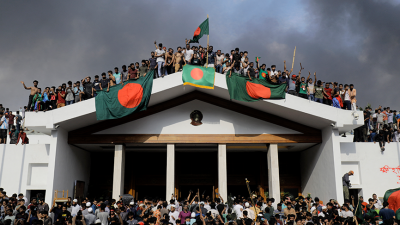
Recent developments have strained the historically complex relationship between India and Bangladesh. Just a year ago, the partnership was described as being in a “golden period.” However, the collapse of Sheikh Hasina’s government in August 2024 has led to rising tensions. Accusations of Indian interference in Bangladeshi politics have surfaced. Many in Bangladesh view Hasina as corrupt and authoritarian, while some in India fear the new government may encourage anti-India sentiments. This mutual distrust threatens the stability of the partnership.
Historical Context
The India-Bangladesh relationship has fluctuated since Bangladesh’s independence in 1971. Initially, India played important role in supporting the Bengali liberation movement against Pakistan. The Treaty of Friendship and Cooperation signed in 1972 symbolised a strong bond. Sheikh Mujibur Rahman, the first leader of Bangladesh, embraced India as a key ally. However, within a few years, economic hardships and political challenges led to a decline in relations.
Shift in Sentiment
As Bangladesh faced post-war challenges, anti-India sentiment grew. Many blamed India for economic difficulties and water resource monopolisation. Sheikh Mujibur Rahman, initially pro-India, distanced himself from New Delhi as a means to address domestic issues. This shift weakened India’s influence in Bangladesh, particularly after Rahman’s assassination in 1975.
Periods of Cooperation and Rivalry
The decades following Rahman’s death were marked by cycles of cooperation and rivalry. India’s support for various factions in Bangladesh often led to mistrust. Despite this, Sheikh Hasina’s return to power in 2009 revitalised the relationship, as she adopted pro-India policies. However, her increasingly authoritarian governance alienated many Bangladeshis.
Current Dynamics
With the recent political upheaval, India now faces a critical juncture. The perception of India as a supporter of an unpopular regime has intensified public anger in Bangladesh. This presents both challenges and opportunities for India. A shift towards building democratic institutions and encouraging goodwill could be beneficial. Engaging with the Bangladeshi populace rather than focusing solely on security concerns may help restore trust.
Future Prospects
The future of India-Bangladesh relations hinges on addressing underlying issues. Both nations must work towards a more balanced approach. This includes acknowledging the concerns of the Bangladeshi people and promoting inclusive policies. The potential for a renewed partnership exists if both sides commit to meaningful dialogue and cooperation.
Questions for UPSC:
- Examine the historical factors that have shaped India-Bangladesh relations since 1971.
- Critically discuss the impact of Sheikh Hasina’s leadership on India-Bangladesh diplomatic ties.
- With suitable examples, discuss the role of public sentiment in shaping foreign policy between neighbouring countries.
- Analyse the significance of democratic institutions in maintaining stable international relations.
Answer Hints:
1. Examine the historical factors that have shaped India-Bangladesh relations since 1971.
- India’s very important role in supporting Bangladesh’s independence from Pakistan in 1971 established initial strong ties.
- The Treaty of Friendship and Cooperation in 1972 symbolized mutual trust and collaboration.
- Economic challenges and anti-India sentiment grew in Bangladesh due to perceived exploitation and resource monopolization.
- Sheikh Mujibur Rahman’s shift from pro-India to anti-India rhetoric reflected domestic pressures and reduced India’s influence.
- Cycles of cooperation and rivalry have characterized relations, influenced by leadership changes and geopolitical dynamics.
2. Critically discuss the impact of Sheikh Hasina’s leadership on India-Bangladesh diplomatic ties.
- Sheikh Hasina’s return to power in 2009 marked a high point in relations, with pro-India policies enhancing cooperation.
- Her increasingly authoritarian governance alienated many Bangladeshis, leading to public discontent towards India.
- India’s strong support for Hasina’s government intensified perceptions of interference in Bangladeshi politics.
- Hasina’s leadership saw infrastructure and power deals, showcasing economic collaboration.
- The collapse of her government in 2024 has led to rising tensions, threatening the stability of bilateral relations.
3. With suitable examples, discuss the role of public sentiment in shaping foreign policy between neighbouring countries.
- Public sentiment can influence foreign policy, as seen in Bangladesh’s anti-India sentiment due to historical grievances.
- Sheikh Mujibur Rahman’s distancing from India was partly a response to domestic pressures and public discontent.
- In India, concerns over the new Bangladeshi government’s stance towards Hindu minorities reflect public sentiment affecting diplomatic views.
- Public opinion can lead to shifts in leadership and policy, as seen in the electoral consequences for leaders perceived as too pro-India.
- Engaging with public sentiment is crucial for sustainable foreign relations, as seen in India’s potential shift towards goodwill initiatives.
4. Analyse the significance of democratic institutions in maintaining stable international relations.
- Democratic institutions promote transparency and accountability, encouraging trust in international dealings.
- Strong democratic frameworks can mitigate authoritarian tendencies, reducing public discontent and enhancing stability.
- Engaged civil societies can influence foreign policy, ensuring it reflects the populace’s aspirations and concerns.
- Countries with robust democracies are often seen as more reliable partners, as seen in India’s relations with democratic neighbors.
- Investing in democratic institutions in Bangladesh could help restore trust and improve India-Bangladesh relations post-Hasina.