
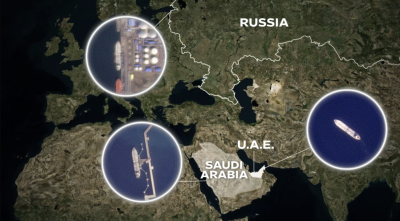
A China-linked tanker tested the US naval blockade in the Strait of Hormuz on 25 April 2024. The vessel, carrying sanctioned Iranian oil, attempted to pass through the strategic waterway despite US sanctions. The US Navy monitored the tanker’s movement closely but did not intercept it.
Details of the Tanker and Ownership
The tanker, registered under a Hong Kong-based company, is linked to Chinese shipping interests. It was transporting approximately 1 million barrels of Iranian crude oil. The vessel’s ownership structure involves shell companies to obscure direct Chinese state involvement.
US Naval Operations and Blockade Enforcement
The US Navy maintains a blockade to enforce sanctions on Iranian oil exports. The blockade involves naval patrols and surveillance in the Strait of Hormuz, a key oil transit chokepoint. The US has previously intercepted vessels suspected of violating sanctions but allowed this tanker to proceed.
Geopolitical Context and Sanctions
US sanctions target Iranian oil exports to limit revenue for Iran’s nuclear and missile programmes. China is the largest buyer of Iranian oil despite sanctions. The Strait of Hormuz handles about 20% of global petroleum trade, making control over tanker movements critical.
International Maritime Law and Responses
The tanker’s passage raises questions about the legality of unilateral sanctions enforcement in international waters. Iran condemned the US blockade as illegal. China called for freedom of navigation and opposed unilateral sanctions affecting global trade routes.
What to Study for UPSC Exams?
- Strait of Hormuz Strategic Importance
- International Maritime Law and Sanctions
- US-Iran Sanctions Regime
- China’s Energy Security Policies
Strait of Hormuz Strategic Importance
The Strait of Hormuz is a 21-mile-wide chokepoint connecting the Persian Gulf to the Gulf of Oman and the Arabian Sea. Approximately 20% of the world’s petroleum passes through it daily. It borders Iran and Oman, making it geopolitically sensitive and a frequent flashpoint for regional tensions affecting global oil supply.
International Maritime Law and Sanctions
International maritime law is governed by the United Nations Convention on the Law of the Sea (UNCLOS). It defines territorial waters, exclusive economic zones, and freedom of navigation. Unilateral sanctions enforcement in international waters often raises legal disputes over sovereignty, flag state jurisdiction, and freedom of passage.
US-Iran Sanctions Regime
US sanctions on Iran target its nuclear program and missile development by restricting oil exports and financial transactions. The regime includes secondary sanctions penalizing third parties trading with Iran. Sanctions have led to significant reductions in Iran’s oil revenue since their intensification in 2018.
China’s Energy Security Policies
China is the world’s largest crude oil importer, heavily reliant on Middle Eastern supplies. Its energy security strategy includes diversifying sources, investing in overseas oil assets, and securing maritime routes like the Strait of Hormuz. China pursues strategic partnerships to mitigate supply risks amid geopolitical tensions.
Last Modified: April 14, 2026