
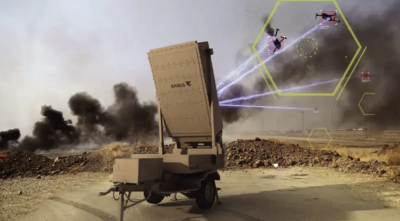
Australia announced a major investment in drone technology and counter-drone systems to enhance national security and defence capabilities. The initiative involves funding for research, development, and acquisition of advanced unmanned aerial vehicles (UAVs) and detection technologies. The programme is led by the Department of Defence and Defence Science and Technology Group (DSTG).
Investment Details and Budget Allocation
The Australian government allocated over AUD 500 million for the drone and counter-drone programme over the next five years. Funding covers development of autonomous drones, electronic warfare systems, and radar-based detection tools. The investment includes partnerships with domestic defence contractors and international technology firms.
Technological Focus and Capabilities
The programme targets development of multi-role drones capable of surveillance, reconnaissance, and electronic attack. Counter-drone systems will focus on radar, radio-frequency jamming, and laser-based neutralisation. Integration with existing defence networks and real-time threat response is a key objective.
Strategic and Defence Applications
Drones will support border security, maritime surveillance, and battlefield intelligence. Counter-drone systems aim to protect critical infrastructure, military bases, and urban areas from hostile UAV threats. The initiative aligns with Australia’s broader defence modernisation and regional security strategies.
Collaborations and Industry Participation
The project involves collaboration between the Australian Defence Force, DSTG, private defence companies, and academic institutions. International cooperation includes technology sharing and joint exercises with allied countries such as the United States and United Kingdom. Industry partners will contribute to manufacturing and system integration.
What to Study for UPSC Exams?
- Unmanned Aerial Vehicles (UAV) Technologies
- Electronic Warfare and Cybersecurity
- Defence Procurement and Public-Private Partnerships
- Regional Security Architectures in Indo-Pacific
Unmanned Aerial Vehicles (UAV) Technologies
UAVs are aircraft systems operated without onboard human pilots, using remote control or autonomous programming. Early UAVs date back to World War I as target drones. Modern UAVs integrate GPS, AI, and advanced sensors for surveillance, reconnaissance, and combat roles. Some models achieve stealth capabilities and extended flight durations exceeding 30 hours.
Electronic Warfare and Cybersecurity
Electronic warfare involves using electromagnetic spectrum to intercept, jam, or deceive enemy signals. It includes electronic attack, protection, and support measures. Cybersecurity protects digital infrastructure from hacking, malware, and espionage. Both fields increasingly overlap with AI-driven threat detection and offensive cyber operations targeting critical networks.
Defence Procurement and Public-Private Partnerships
Defence procurement manages acquisition of military technology and services, often involving complex contracts and regulations. Public-private partnerships (PPPs) in defence enable collaboration between government and private sector for innovation and resource sharing. PPPs can accelerate R&D cycles and improve cost-efficiency in defence projects.
Regional Security Architectures in Indo-Pacific
Regional security architectures in the Indo-Pacific include multilateral frameworks like ASEAN, Quad, and AUKUS. These arrangements address maritime security, counterterrorism, and strategic balance amid rising great power competition. They combine diplomatic, military, and economic tools to maintain stability and manage disputes in the region.
Last Modified: April 14, 2026