
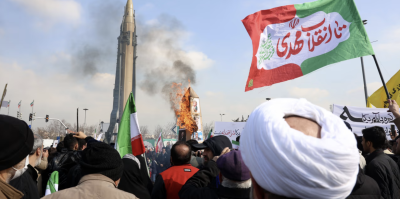
Iran has proposed suspending uranium enrichment activities as part of renewed nuclear negotiations. The proposal was made during discussions in Vienna involving Iran and world powers. The talks aim to revive the 2015 Joint Comprehensive Plan of Action (JCPOA). Key participants include Iran, the United States, China, Russia, France, Germany, and the United Kingdom.
Details of the Uranium Enrichment Proposal
Iran suggested halting uranium enrichment above 3.67% purity. The proposal includes suspending the use of advanced centrifuges. It aims to limit uranium stockpiles to levels set under the original JCPOA. Iran also offered to allow International Atomic Energy Agency (IAEA) inspections during the suspension.
Context of the Nuclear Talks
The JCPOA was abandoned by the US in 2018, leading to increased tensions. Iran responded by expanding its nuclear programme beyond JCPOA limits. Renewed talks began in late 2023 to restore compliance. The discussions focus on sanctions relief and verification mechanisms.
Positions of Other Negotiating Parties
The US demands Iran halt uranium enrichment to pre-agreement levels. European nations seek a comprehensive deal including verification and sanctions lifting. Russia and China support a diplomatic resolution but call for balanced agreements. The IAEA continues monitoring Iran’s nuclear activities independently.
Verification and Monitoring Mechanisms
The IAEA is responsible for verifying Iran’s compliance with nuclear restrictions. It uses satellite imagery, on-site inspections, and environmental sampling. Iran’s proposal includes expanded IAEA access to nuclear sites. The agency’s reports influence international diplomatic responses.
What to Study for UPSC Exams?
- International Nuclear Treaties
- IAEA Functions and Powers
- Global Non-Proliferation Regimes
- Sanctions and Diplomacy Mechanisms
International Nuclear Treaties
The Treaty on the Non-Proliferation of Nuclear Weapons (NPT) entered into force in 1970 and has 191 state parties. The Comprehensive Nuclear-Test-Ban Treaty (CTBT) bans all nuclear explosions but is not yet in force due to key holdouts. The Treaty on the Prohibition of Nuclear Weapons (TPNW), effective from 2021, is the first legally binding global agreement to prohibit nuclear weapons entirely.
IAEA Functions and Powers
The International Atomic Energy Agency (IAEA) was established in 1957 to promote peaceful nuclear energy use and prevent military applications. It conducts inspections, uses satellite imagery, and environmental sampling to verify compliance. The IAEA can report non-compliance to the UN Security Council but lacks enforcement authority.
Global Non-Proliferation Regimes
Non-proliferation regimes include the NPT, the Nuclear Suppliers Group (NSG), and the Missile Technology Control Regime (MTCR). These frameworks coordinate export controls and promote peaceful nuclear technology. The regimes rely on voluntary participation and international cooperation rather than binding enforcement.
Sanctions and Diplomacy Mechanisms
Economic sanctions are tools to influence state behavior without military action, often imposed by the UN, US, or EU. Diplomatic mechanisms include negotiations, multilateral talks, and confidence-building measures. Sanctions can target entire economies or specific sectors like nuclear programs or individuals.
Last Modified: April 14, 2026