
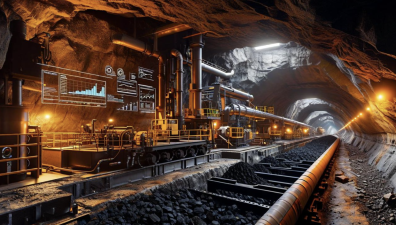
India initiated the 15th round of commercial coal mine auctions in 2024, offering multiple coal blocks for private sector participation. The auction aims to enhance coal production capacity and attract investments from non-governmental entities. This round includes both coking and non-coking coal mines across various states.
Coal Blocks Offered and Locations
The auction features over 20 coal blocks spread across Odisha, Chhattisgarh, Jharkhand, Madhya Pradesh, and Maharashtra. Both captive and commercial coal mines are included. The mines vary in size and coal grade, catering to diverse industrial requirements.
Auction Process and Eligibility
The auction follows a transparent e-auction mechanism with competitive bidding. Eligible bidders include private companies, public sector undertakings, and joint ventures. The process mandates submission of technical and financial bids, with a bid security deposit required.
Production Capacity and Investment
The mines on offer have a combined estimated coal reserve exceeding 1 billion tonnes. Projected annual production capacity is approximately 50 million tonnes. Estimated investment in mine development and infrastructure is expected to exceed ₹10,000 crore.
Regulatory and Environmental Compliance
Successful bidders must comply with environmental clearances, forest rights, and land acquisition norms. The auction process aligns with the Coal Mines (Special Provisions) Act, 2015, and subsequent amendments. Monitoring mechanisms are in place to ensure adherence to mining regulations.
What to Study for UPSC Exams?
- Coal Mines (Special Provisions) Act
- Environmental Clearance Procedures
- Energy Security and Coal Sector
- Public-Private Partnerships in Mining
Coal Mines (Special Provisions) Act
Enacted in 2015, this Act facilitates commercial coal mining by private entities in India. It abolished the monopoly of public sector companies, allowing auction-based allocation of coal blocks. The Act includes provisions for transparent bidding, royalty payments, and safeguards for workers’ rights and environmental protection.
Environmental Clearance Procedures
Environmental clearances in India require an Environmental Impact Assessment (EIA) report and public hearings before project approval. The Ministry of Environment, Forest and Climate Change (MoEFCC) grants clearances under the Environment Protection Act, 1986. Compliance involves monitoring pollution levels and rehabilitation of affected communities.
Energy Security and Coal Sector
Coal accounts for around 70% of India’s electricity generation. Energy security involves ensuring uninterrupted coal supply through domestic mining and imports. Strategic coal reserves and diversification into renewable energy are key measures to reduce dependency and mitigate supply risks.
Public-Private Partnerships in Mining
PPP models in mining combine government oversight with private investment and technology. They aim to improve efficiency, infrastructure, and employment. Examples include joint ventures for exploration, mine development, and beneficiation, governed by contractual agreements ensuring shared risks and profits.
Last Modified: April 16, 2026