
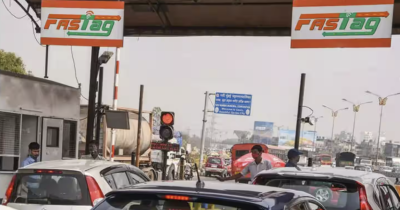
The National Highways Authority of India (NHAI) has issued a warning regarding the blacklisting of FASTag users who provide incorrect vehicle details. This measure aims to maintain the accuracy of the FASTag database and ensure smooth electronic toll collection across national highways.
FASTag System and Vehicle Details
FASTag is an electronic toll collection system using Radio Frequency Identification (RFID) technology. Vehicle owners link their FASTag to their vehicle registration details. Accurate data is essential for seamless toll transactions and enforcement of toll rules.
Blacklisting Criteria
NHAI will blacklist FASTag accounts if vehicle details such as registration number, vehicle category, or owner information are incorrect or mismatched. Blacklisted users will face restrictions, including denial of FASTag services at toll plazas.
Consequences of Blacklisting
Blacklisted FASTag users cannot use electronic toll lanes and must pay tolls manually. This may lead to delays and inconvenience. Reinstatement requires correcting vehicle details and re-verification by authorised agencies.
Verification and Data Correction Process
Vehicle owners can update their FASTag details through issuing banks or authorised agents. NHAI recommends regular verification of linked vehicle information to avoid blacklisting. The system cross-checks vehicle registration data with the Ministry of Road Transport and Highways (MoRTH) database.
What to Study for UPSC Exams?
- Electronic Toll Collection Systems
- Vehicle Registration Processes in India
- Role of NHAI in Highway Management
- RFID Technology Applications
Electronic Toll Collection Systems
Electronic Toll Collection (ETC) uses wireless communication to automate toll payments without stopping vehicles. The first ETC system was introduced in Norway in 1986. Systems often use RFID or DSRC technology to identify vehicles and deduct tolls electronically.
Vehicle Registration Processes in India
India’s vehicle registration is governed by the Motor Vehicles Act, 1988. Registration numbers follow a standardized format: state code, district code, unique alphanumeric code. The process includes vehicle inspection, document verification, and issuance of a Registration Certificate (RC).
Role of NHAI in Highway Management
The National Highways Authority of India (NHAI) manages over 50,000 km of national highways. Established in 1988, it oversees highway development, maintenance, and toll collection. NHAI implements public-private partnerships for highway projects.
RFID Technology Applications
Radio Frequency Identification (RFID) uses electromagnetic fields to identify tags attached to objects. Beyond tolls, RFID is used in inventory tracking, animal identification, and access control. Passive RFID tags operate without batteries, powered by reader signals.
Last Modified: April 16, 2026