
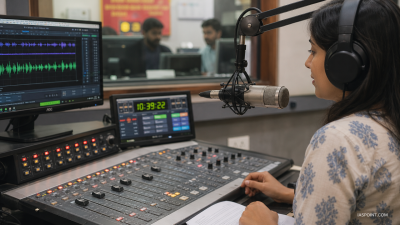
As of 24 July 2026 India has 386 operational private FM radio channels. The Private FM Radio Policy mandates that each private FM broadcaster allot at least 20% of daily broadcast time to the local language of the city.
Local Content Norm
- Requirement: Minimum 20% of daily broadcast content must be in the local language of the city of operation.
- Scope: Applies to private FM broadcasters under licence conditions for city‑level services; measured on a daily basis.
- Content types covered: Programming in local language including music, talk, community notices and local news allowed under the norm.
Regulatory and Policy Framework
- Regulator: Ministry of Information and Broadcasting issues licences and frames policy conditions for private FM.
- Policy phase: Private FM Radio Phase‑III (2015) governs conditions for expansion and infrastructure sharing.
- Infrastructure sharing: Phase‑III permits private broadcasters to use Prasar Bharati transmission sites for roll‑out.
Operational and Compliance Points
- Operational size: 386 private FM channels active nationwide (24 July 2026).
- Compliance mechanism: Local content mandated via licence conditions; non‑compliance subject to regulatory action under policy terms.
- Public broadcasting link: Ministry coordinates private FM for public service announcements and verified emergency messaging.
IASPOINT Booster Facts
- FM principle: Frequency modulation transmits audio by varying carrier frequency.
- Prasar Bharati Act: Prasar Bharati is constituted under the Prasar Bharati Act, 1990 as the statutory public broadcaster.
- Licence basis: Private FM operations run on terms set by central government policy and licence agreements.