
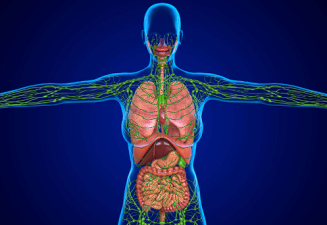
The lymphatic system plays important role in human health. It is integral to fluid regulation and immune function. This system comprises lymph nodes, lymph vessels, and lymphatic fluid. Its primary functions include detoxifying the body, fighting infections, and transporting white blood cells. When the lymphatic system is compromised, it can lead to various health complications.
Functions of the Lymphatic System
The lymphatic system is essential for maintaining fluid balance in the body. It collects excess fluid from tissues and returns it to the bloodstream. Additionally, it filters harmful substances and supports the immune system by producing and transporting lymphocytes. This system also absorbs fats and fat-soluble vitamins from the digestive system.
Common Lymphatic Disorders
Lymphatic disorders can arise from surgery, radiation, infections, or congenital issues. Lymphedema, characterised by swelling due to lymph fluid accumulation, is a common condition. Lymphoma, a cancer of the lymph nodes, poses serious health risks. Other conditions include lymphangitis and cellulitis, which can lead to complications if not addressed.
Symptoms and Diagnosis
Recognising symptoms of lymphatic disorders is vital. Signs include prolonged swelling, fatigue, skin changes, and recurrent infections. In the case of lymphoma, symptoms may involve swollen lymph nodes, night sweats, and unexplained weight loss. Diagnosis often requires advanced imaging techniques such as lymphangiograms and blood tests to confirm the presence of lymphatic issues.
Treatment Approaches
Timely intervention is critical for managing lymphatic disorders. Treatment varies based on the condition’s severity. Lymphedema often requires physical therapy or surgical options in severe cases. For lymphoma, chemotherapy, radiation, and immunotherapy are common. Ongoing medical research aims to improve treatment methodologies and outcomes for patients.
Preventive Measures and Lifestyle Changes
Preventive strategies can reduce the risk of lymphatic disorders. Regular physical activity promotes lymphatic circulation. A balanced diet rich in antioxidants supports immune function. Staying hydrated is also essential for overall lymphatic health. Individuals with weakened immune systems must take extra precautions to avoid infections that could exacerbate their conditions.
Importance of Awareness and Early Detection
Awareness of lymphatic disorders is crucial for early intervention. Individuals should be vigilant about their health and seek medical advice for any concerning symptoms. Healthcare professionals play a vital role in educating patients about risk factors and preventive measures. Early detection can lead to better management and potential cures for lymphatic conditions.
The Role of Healthcare Professionals
Healthcare experts provide essential guidance in managing lymphatic disorders. They help patients understand the importance of lifestyle changes and timely medical intervention. Proper education can empower individuals to take charge of their health and mitigate the risks associated with lymphatic issues.
Questions for UPSC:
- Critically discuss the role of the lymphatic system in maintaining overall health.
- Examine the various treatments available for lymphatic disorders and their effectiveness.
- What is lymphedema? How does it impact the quality of life of affected individuals?
- Estimate the importance of early detection in the management of lymphatic disorders.
Answer Hints:
1. Critically discuss the role of the lymphatic system in maintaining overall health.
- The lymphatic system is crucial for fluid balance, collecting excess fluid from tissues and returning it to the bloodstream.
- It acts as a detoxification system, filtering harmful substances and pathogens from the body.
- Supports the immune system by producing and transporting lymphocytes, essential for fighting infections.
- Absorbs fats and fat-soluble vitamins from the digestive system, contributing to nutritional health.
- Impairment of the lymphatic system can lead to severe health complications, denoting its importance in overall well-being.
2. Examine the various treatments available for lymphatic disorders and their effectiveness.
- Treatment for lymphedema often includes physical therapy and decongestive therapies to manage swelling.
- Severe lymphedema cases may require surgical interventions for effective management.
- Lymphoma treatments include chemotherapy, radiation therapy, immunotherapy, and targeted drug treatments.
- Effectiveness varies by individual and severity of the condition; early intervention typically leads to better outcomes.
- Ongoing medical research continues to enhance treatment methodologies, offering hope for improved patient care.
3. What is lymphedema? How does it impact the quality of life of affected individuals?
- Lymphedema is a chronic condition characterized by swelling due to the accumulation of lymphatic fluid in tissues.
- It often results in discomfort, pain, and restricted mobility, affecting daily activities.
- Can lead to psychological impacts, including anxiety and depression, due to visible swelling and lifestyle limitations.
- Management requires ongoing care and lifestyle adjustments, which can be burdensome for individuals.
- Awareness and education about the condition are essential for improving quality of life and coping strategies.
4. Estimate the importance of early detection in the management of lymphatic disorders.
- Early detection allows for timely intervention, which can improve treatment outcomes.
- Recognizing symptoms early can prevent the progression of lymphatic disorders into more severe stages.
- Healthcare professionals play a key role in educating patients about warning signs and the importance of seeking help.
- Early diagnosis often leads to more effective management strategies and may enhance the possibility of curing the disease.
- Awareness and vigilance among individuals can facilitate quicker medical responses, reducing overall health risks.