
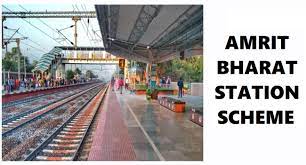
In a significant stride towards modernizing India’s railway infrastructure, the Indian Prime Minister recently laid the foundation stone for the Redevelopment of 508 railway stations across the country. This ambitious endeavor is part of the Amrit Bharat Stations Scheme, spanning 27 states and union territories, and is set to reshape the railway landscape by transforming stations into modern, well-equipped hubs. With an estimated cost exceeding RS 24,470 crores, this extensive redevelopment project holds the promise of revolutionizing the travel experience for millions of passengers.
About Amrit Bharat Stations Scheme
At its core, the Amrit Bharat Stations Scheme envisions the comprehensive redevelopment of 1309 railway stations nationwide. The initiative is driven by the Ministry of Railways and was launched in February 2023 with the aim of not only enhancing the aesthetic appeal of stations but also providing contemporary passenger amenities. The project places a strong emphasis on well-designed traffic circulation, inter-modal integration, and clear signage to streamline passengers’ journeys.
Crafting Station-Wise Plans: Infusion of Local Culture
A unique facet of the Amrit Bharat Stations Scheme lies in its approach to design and architecture. Each station’s redevelopment is influenced by the local culture, heritage, and architectural nuances of its respective region. For instance, the Jaipur Railway Station is poised to feature elements reminiscent of the iconic Hawa Mahal and Amer Fort from Rajasthan. This fusion of modern amenities with traditional aesthetics not only creates a visually appealing space but also instills a sense of pride and identity among passengers.
An Integrated Urban Development Approach
The redevelopment of railway stations under the Amrit Bharat Scheme goes beyond the conventional notion of station upgrades. It embraces an integrated approach to urban development, conceptualizing these stations as vibrant “City Centres.” This holistic perspective aims to bridge the gap between different parts of the city, fostering well-designed traffic circulation, seamless inter-modal connectivity, and effective signage systems that guide passengers effortlessly through the station complex.
Benefits: Elevating Passenger Experience
As the Amrit Bharat Stations Scheme unfolds, passengers can anticipate a host of tangible improvements to their travel experiences. The revamped stations will boast modern passenger amenities, including upgraded waiting rooms for enhanced comfort, improved seating arrangements on platforms, and the convenience of free Wi-Fi connectivity. These enhancements collectively contribute to creating a more pleasant and efficient travel environment.
Local Community Engagement: A Collaborative Approach
In an endeavor to create spaces that resonate with local sentiments, the Amrit Bharat Scheme actively involves the local community in its redevelopment plans. This collaborative approach ensures that the essence of the region is thoughtfully woven into the station’s design, amenities, and overall ambience. By valuing local input, the scheme not only enriches the passenger experience but also strengthens the connection between the station and the community it serves.
Treading Green Paths: Sustainable Initiatives
The Amrit Bharat Stations Scheme is not solely focused on aesthetics and functionality; it also has a strong environmental conscience. A significant stride towards sustainability is the installation of LED lights in approximately 70,000 coaches, contributing to energy efficiency. Moreover, a substantial increase in the number of bio-toilets in trains underscores the commitment to reducing emissions and promoting greener practices.
Pursuing a Net Zero Emissions Goal
Aligned with India’s broader vision of environmental sustainability, the Amrit Bharat Stations Scheme contributes to the ambitious goal of achieving Net-Zero Emissions for the country’s railway network by 2030. This aspiration is reinforced by the emphasis on adopting green building standards and incorporating energy-efficient practices throughout the redevelopment process. By prioritizing sustainability, the scheme sets a benchmark for eco-friendly infrastructure development.
Last Modified: February 22, 2024