
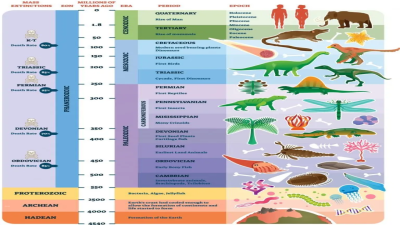
The Anthropocene Epoch, a period in Earth’s history when human activity has significantly impacted the planet’s climate and ecosystems, has gained recognition among scientists. Recent findings from sediments retrieved from Crawford Lake in Ontario, Canada, provide valuable evidence supporting the beginning of this epoch.
Defining the Anthropocene Epoch:
The Anthropocene Epoch is an unofficial unit of geologic time that marks the period when human activities have had a profound and lasting impact on Earth’s natural systems. Coined by biologist Eugene Stormer and chemist Paul Crutzen in 2000, the term “Anthropocene” combines “anthropo” (meaning “man” in Greek) and “cene” (meaning “new”). It reflects the recognition that human actions have become a significant geological force, altering the planet’s climate, ecosystems, and geology.
Environmental Changes in the Anthropocene:
The Anthropocene Epoch is characterized by a range of detrimental environmental changes. Global warming, primarily driven by greenhouse gas emissions from human activities, has led to rising temperatures and altered weather patterns. Sea-level rise is occurring due to the melting of polar ice caps, threatening coastal communities and ecosystems. Ocean acidification, caused by increased carbon dioxide absorption, poses a significant threat to marine life and coral reefs. Other changes include mass-scale soil erosion, increased frequency and intensity of heat waves, and the degradation of the biosphere through deforestation and biodiversity loss.
Human Impact on the Anthropocene:
Human activities have been major contributors to the Anthropocene Epoch. The burning of fossil fuels for energy production and transportation releases vast amounts of carbon dioxide and other greenhouse gases, contributing to global warming. Nuclear weapons testing, particularly during the mid-20th century, left radioactive isotopes in the environment, leaving lasting traces of human influence. Pollution from industrial activities, including the release of toxic chemicals into water bodies and the atmosphere, further exacerbates environmental degradation. The Anthropocene highlights the urgent need for sustainable practices and environmental stewardship to mitigate further ecological damage and preserve the planet for future generations.
Evidence from Crawford Lake Sediments:
Recent scientific research focusing on sediments retrieved from Crawford Lake in Ontario, Canada, has provided compelling evidence supporting the beginning of the Anthropocene Epoch. These sediments contain distinct markers, such as chemical signatures and microfossils, that indicate significant shifts in the lake’s ecosystem. Analysis of the sediment layers reveals the presence of pollutants and other human-induced changes, providing a snapshot of the environmental impact of human activities.
Implications and the Way Forward:
The recognition of the Anthropocene Epoch serves as a critical reminder of the responsibility humanity bears in shaping the planet’s future. It highlights the need for transformative actions and a shift toward sustainable practices. Governments, businesses, and individuals must prioritize environmental stewardship, adopting renewable energy sources, reducing greenhouse gas emissions, promoting biodiversity conservation, and embracing circular economy principles. Education and awareness play crucial roles in fostering a global mindset that prioritizes the long-term health of the planet and ensures a sustainable future.
Last Modified: February 22, 2024