
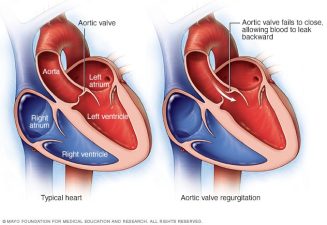
Aortic valve disease is health issue affecting many individuals, particularly the elderly. As the population ages, the prevalence of aortic stenosis and regurgitation increases. These conditions can lead to severe complications, including heart failure. About the causes, symptoms, and treatment options is essential for effective management.
Overview of Aortic Valve Disease
The aortic valve controls blood flow from the heart into the aorta. As people age, this valve can become stiff and calcified, leading to dysfunction. Aortic stenosis is the narrowing of the valve, while regurgitation involves leaking. Both conditions can severely impact heart function.
Causes and Prevalence
Common causes of aortic stenosis include degenerative changes, a bicuspid aortic valve, and rheumatic heart disease. The prevalence of aortic stenosis is about 0.4% in the general population but rises to 2.8% in those over 75. More than 10% of individuals over 80 may also be affected.
Symptoms and Diagnosis
Patients often remain asymptomatic until the disease progresses. Symptoms can include breathlessness, chest pain, syncope, and fatigue. Diagnosis typically involves echocardiography, which measures the pressure gradient between the heart and aorta. Severe stenosis is indicated by a gradient above 40 mm Hg. Special echocardiograms may be necessary for accurate diagnosis in certain cases.
Treatment Options
Once symptoms appear, the clinical decline can be rapid, with a survival rate of only 15-50% at five years. Therefore, treatment is critical. Historically, surgical replacement of the valve was the standard approach. However, Transcatheter Aortic Valve Replacement (TAVI) has emerged as a less invasive alternative.
Transcatheter Aortic Valve Replacement (TAVI)
TAVI allows for valve replacement without open-heart surgery. The first procedure was performed in 2002. Studies show TAVI is often superior or at least as effective as Surgical Aortic Valve Replacement (SAVR). It is particularly beneficial for older patients, with guidelines recommending TAVI for those over 75 or with limited life expectancy.
Shared Decision-Making
The choice of procedure should involve a heart team, including cardiologists and surgeons, alongside the patient. This collaborative approach ensures that patient preferences are respected in treatment decisions.
Future Perspectives
As aortic valve disease becomes more prevalent, ongoing research and advancements in treatment will play important role in improving patient outcomes. About these developments is essential for healthcare providers and patients alike.
Questions for UPSC:
- Analyse the impact of an ageing population on the prevalence of cardiovascular diseases.
- Critically discuss the role of minimally invasive procedures in modern cardiac surgery.
- Examine the significance of shared decision-making in healthcare, particularly in surgical contexts.
- Estimate the long-term outcomes of patients undergoing Transcatheter Aortic Valve Replacement compared to traditional surgical methods.
Answer Hints:
1. Analyse the impact of an ageing population on the prevalence of cardiovascular diseases.
- The ageing population is associated with increased incidence of cardiovascular diseases due to age-related physiological changes.
- Conditions like aortic stenosis and regurgitation become more common as the heart valves degenerate over time.
- Older adults often have multiple comorbidities, complicating cardiovascular health and increasing overall disease burden.
- Health systems face greater challenges in managing chronic cardiovascular conditions, leading to increased healthcare costs and resource allocation issues.
- Preventive measures and early interventions are crucial to mitigate the impact of cardiovascular diseases in older populations.
2. Critically discuss the role of minimally invasive procedures in modern cardiac surgery.
- Minimally invasive procedures, like TAVI, reduce recovery time and hospital stay compared to traditional open-heart surgery.
- These techniques often result in lower complication rates and improved patient outcomes, especially for high-risk surgical candidates.
- They are associated with less postoperative pain and faster return to normal activities, enhancing quality of life.
- Technological advancements continue to improve the efficacy and safety of these procedures, expanding their applicability.
- However, careful patient selection and a skilled heart team are essential for optimal outcomes in minimally invasive surgeries.
3. Examine the significance of shared decision-making in healthcare, particularly in surgical contexts.
- Shared decision-making empowers patients by involving them in their treatment choices, leading to increased satisfaction and adherence.
- It ensures that healthcare providers consider patient preferences, values, and circumstances in treatment planning.
- This collaborative approach can improve outcomes by aligning treatment options with the patient’s lifestyle and expectations.
- In surgical contexts, it addresses risks and benefits transparently, helping patients make informed decisions about complex procedures.
- Shared decision-making encourages trust and communication between patients and healthcare teams, essential for effective care delivery.
4. Estimate the long-term outcomes of patients undergoing Transcatheter Aortic Valve Replacement compared to traditional surgical methods.
- Studies indicate that TAVI offers comparable or superior outcomes to Surgical Aortic Valve Replacement (SAVR) in certain patient populations.
- Patients undergoing TAVI generally experience shorter recovery times and lower rates of complications such as infections and prolonged hospital stays.
- Long-term survival rates for TAVI patients are promising, particularly in older adults with comorbidities who may not tolerate surgery well.
- Ongoing research continues to evaluate the durability of TAVI valves over time compared to traditional surgical valves.
- Individual patient factors, such as age and overall health, influence outcomes, necessitating personalized treatment approaches.