
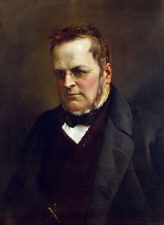
Italy’s path to unification was a complex and multifaceted process, marked by the efforts of several key figures whose dedication and strategic planning played crucial roles in the eventual merger of its various states into a single nation. Among these figures, Camillo Benso, Count of Cavour, stands out for his exceptional contribution to the Italian Risorgimento.
The Role of Count Cavour in Italian Unification
Camillo Benso, better known as Count Cavour, emerged as the leading architect of the Italian unification movement. His approach combined political shrewdness with diplomatic skill, which set him apart from his contemporaries. Cavour’s ability to transform the idealistic visions of Giuseppe Mazzini into a practical diplomatic strategy was instrumental in advancing the cause of unification. Similarly, he channeled the military prowess of Giuseppe Garibaldi into a force that served national interests rather than individual pursuits.
Cavour’s diplomatic acumen was not just about forging alliances; it was also about navigating the complex web of European politics in a way that favored Italy’s unification goals. His leadership was characterized by sound judgment and an unwavering commitment to the country, which enabled him to steer the movement away from potential failures and towards a successful unification.
Victor Emmanuel II: A Supporting Pillar
In the backdrop of Cavour’s diplomatic maneuvers was Victor Emmanuel II, the King of Sardinia-Piedmont. His attributes such as calm demeanor, military organizational skills, straightforwardness, and especially his steadfast support for his ministers, were indispensable to the cause. Victor Emmanuel II’s role was more than ceremonial; his active participation and backing provided Cavour with the legitimacy and authority needed to carry out his plans. Without the king’s endorsement, many of Cavour’s initiatives might have faltered, underscoring the importance of their partnership in the unification process.
German Unification: A Parallel Nationalist Struggle
While Italy was on its journey to becoming a unified state, a similar nationalist movement was unfolding in Germany. The roots of German nationalism can be traced back to the resistance against Napoleon’s conquests. The defeat of Napoleon at the Battle of Waterloo in 1815 catalyzed the German liberals’ desire to reorganize the fragmented German territories into a cohesive national entity. This aspiration for unity laid the groundwork for what would eventually become the unification of Germany, paralleling the Italian experience in its quest for national identity and sovereignty.
Questions for UPSC
– How did Count Cavour’s diplomatic strategies differ from the revolutionary approaches of Mazzini and Garibaldi, and what were the implications of these differences for the Italian unification?
– In what ways did the support of Victor Emmanuel II contribute to the success of Cavour’s policies, and how might the unification process have been different without his involvement?
– Considering the origins of nationalism in Germany following the Battle of Waterloo, what were the similarities and differences between the German and Italian unification movements?