
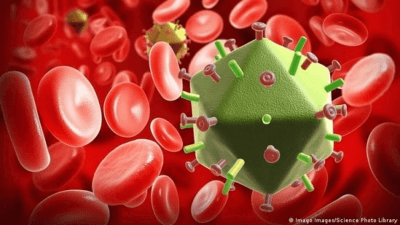
Human immunodeficiency virus (HIV) remains a global health challenge, with over 38 million people living with the virus worldwide. HIV targets the immune system, specifically CD4 immune cells, reducing the body’s ability to fight off infections. The virus enters these cells through CCR5 receptors, which act as a gateway for HIV. However, a naturally occurring genetic mutation, known as CCR5-delta 32, prevents the formation of these receptors, effectively eliminating the virus’s gateway. While only a small percentage of people worldwide carry this mutation, ongoing research is investigating its potential for HIV prevention and treatment.
The Role of CCR5 Receptors in HIV Infection
CCR5 receptors are proteins found on the surface of CD4 immune cells, which play a crucial role in the body’s immune response. When HIV enters the body, it seeks out and binds to these receptors, allowing the virus to enter and infect CD4 immune cells. Once inside these cells, the virus replicates, reducing the number of CD4 immune cells in the body and ultimately weakening the immune system.
The CCR5-delta 32 Mutation: An HIV Immunity Tool
The CCR5-delta 32 mutation is a genetic variation that alters the structure of the CCR5 receptor, preventing HIV from binding to the receptor and entering CD4 immune cells. Individuals who inherit one copy of the mutation from one parent have reduced levels of CCR5 receptors on their CD4 immune cells, making them less susceptible to HIV infection. Individuals who inherit two copies of the mutation, one from each parent, have no functional CCR5 receptors, making them almost completely resistant to HIV infection.
The CCR5-delta 32 mutation is relatively rare, with only around 1% of the global population carrying one copy of the mutation and around 0.01% carrying two copies. The mutation is more prevalent among those of European descent, with around 10% of people of Northern European ancestry carrying one copy of the mutation.
Potential for HIV Prevention and Treatment
The CCR5-delta 32 mutation has the potential to be a powerful tool in the prevention and treatment of HIV. Research is ongoing to investigate the mutation’s potential for HIV prevention, including using gene editing technologies to modify cells to eliminate CCR5 receptors. One such technology is CRISPR/Cas9, which can precisely edit genes and has been used in laboratory studies to eliminate CCR5 receptors in CD4 immune cells.
Last Modified: February 20, 2024