

India is home to a multitude of languages. Each state boasts its own official language. This diversity enriches culture but complicates communication. Dialects further fragment these languages. The absence of a unifying language can lead to misunderstandings. Language barriers hinder collaboration among different groups.
Caste System
The caste system is aspect of Indian society. It divides people into hierarchical groups. Each caste has its own customs and practices. Within castes, there are numerous sub-castes. This complexity can create social divisions. The caste system has historical roots but still affects modern interactions. National leaders have worked to diminish its impact, promoting equality.
Religious Diversity
India is one of the most religiously diverse countries. Major religions include Hinduism, Islam, Christianity, Sikhism, Buddhism, and Jainism. Each religion has unique beliefs and practices. This diversity can lead to communal tensions. Political manipulation often exacerbates religious divides. Despite this, India’s secular constitution promotes coexistence.
Communalism
Communalism poses threat to national unity. It encourages division based on religious identity. Political parties sometimes exploit these divisions for electoral gain. Communal riots have resulted in loss of life and property. Such conflicts undermine the principles of a secular state. Efforts to promote interfaith dialogue are essential for harmony.
Regionalism
Regionalism refers to the loyalty to a specific region over the nation. It can lead to demands for separate states based on linguistic or cultural identities. The States Reorganisation Commission aimed to address these issues post-independence. However, regionalism continues to create tensions. Some groups feel marginalised, leading to social unrest.
Cultural Differences
Cultural differences contribute to national disunity. North and South India, for example, have distinct traditions. These differences can lead to misunderstandings. Cultural pride is important but can become exclusionary. Festivals, cuisine, and customs vary widely across regions. Promoting cultural exchange can help bridge these gaps.
Economic Inequality
Economic disparity is a major challenge in India. A small percentage of the population holds a large portion of wealth. Conversely, many live in poverty. This inequality breeds resentment and social tension. The gap between rich and poor can hinder national integration. Economic development must be inclusive to encourage unity.
Political Manipulation
Politics often plays a role in exacerbating divisions. Leaders may exploit social differences for power. Political rhetoric can deepen communal and regional divides. Responsible governance is crucial for national integration. Policies should promote unity rather than division. Civic education can empower citizens to challenge divisive narratives.
Education and Awareness
Education is key to promoting national integration. It encourages understanding and respect for diversity. Inclusive curriculums can highlight shared values. Awareness programs can address stereotypes and prejudices. Educated citizens are more likely to advocate for unity. Schools and communities play a vital role in this process.
Role of Media
Media has a powerful influence on public perception. Responsible reporting can promote unity. However, sensationalism can fuel divisions. Media literacy is essential for consumers. Citizens should critically evaluate news sources. Positive representation of diverse communities can encourage understanding.
National Identity
A strong national identity can help counter divisive tendencies. Celebrating national achievements encourages unity. National symbols, such as the flag and anthem, can promote pride. Events like Independence Day encourage collective identity. However, national identity should not overshadow regional identities. Balancing both is crucial for harmony.
Social Movements
Social movements have historically played a role in unifying diverse groups. Movements for civil rights and equality have brought people together. They highlight shared struggles and aspirations. Grassroots initiatives can empower communities. Collaboration across different groups can strengthen national integration.
Government Initiatives
The Government of India has implemented various initiatives to promote integration. Schemes aimed at poverty alleviation can reduce economic disparities. Language policies seek to bridge communication gaps. Cultural festivals encourage interaction among diverse groups. These initiatives aim to encourage a sense of belonging.
Interfaith Dialogue
Interfaith dialogue promotes understanding among different religious communities. It encourages respect for diverse beliefs. Initiatives can include community events and discussions. Such dialogues can reduce tensions and build trust. They help create a shared vision for the future.
Globalisation and Integration
Globalisation has brought new challenges and opportunities for national integration. Exposure to global cultures can enrich Indian society. However, it may also lead to cultural homogenisation. Balancing global influences with local traditions is essential. Embracing diversity in a global context can strengthen national identity.
Role of Youth
The youth play important role in shaping the future of national integration. They are often more open to diversity. Engaging young people in community service encourages unity. Youth-led initiatives can address local issues collaboratively. Empowering youth through education and leadership can promote integration.
Challenges of Urbanisation
Urbanisation presents both opportunities and challenges for integration. Cities are melting pots of cultures and languages. However, urban migration can lead to social fragmentation. Migrants may face discrimination and exclusion. Urban planning must consider inclusivity to promote harmony.
Environmental Issues
Environmental challenges can also impact national integration. Issues like pollution and climate change affect all communities. Collaborative efforts are needed to address these challenges. Environmental movements can unite diverse groups for a common cause. Sustainable practices can encourage a sense of shared responsibility.
Historical Context
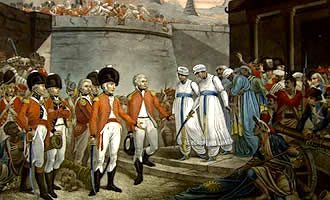
About India’s historical context is vital for addressing integration challenges. The colonial legacy has left deep scars. Divisions were often exacerbated during British rule. Post-independence, leaders worked towards unification. Acknowledging history can inform current efforts for integration.
Conclusion of Historical Context
The historical context shapes current dynamics. Lessons from the past can guide future efforts. Recognising shared struggles can encourage unity. A collective memory can strengthen national identity.


