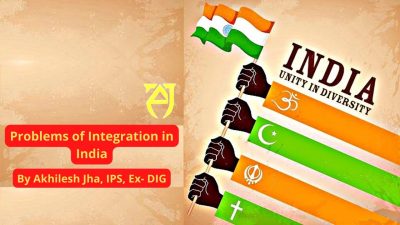
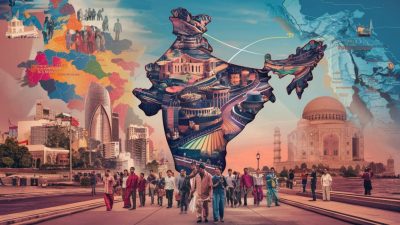
Political dynamics refer to the interactions and relationships within a political system. They shape governance and influence policy-making. Various factors, such as public opinion, party politics, and interest groups, play a role. In India, these dynamics are complex due to its diverse population and regional differences. Understanding these interactions is crucial for analysing the country's political landscape and its evolving democracy.
India is home to a multitude of languages. Each state boasts its own official language. This diversity enriches culture but complicates communication. Dialects further fragment these languages. The...
Regional movements in India arise from the diverse social, cultural, and economic backgrounds of its people. Since independence, these movements have sought recognition and autonomy. The reorganisation of...
India's geography is marked by vast diversity. It features mountains, plains, deserts, and coastal areas. This variety has encourageed distinct regional identities. For instance, the Northeast is known...
The caste system in India is a social hierarchy based on birth. It categorises individuals into different groups known as castes. This system has historical roots and continues...
The Bharatiya Janata Party (BJP) achieved an important victory in the Haryana Assembly elections, winning 48 out of 90 seats, defying expectations that the Congress party would capitalise...
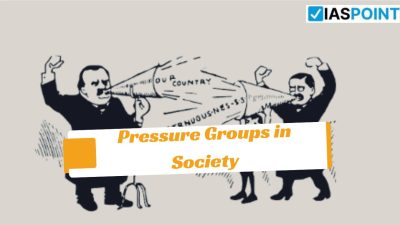
Pressure groups, also known as interest groups, are organised entities aiming to promote and defend shared interests. Unlike political parties, they do not contest elections or seek to...
The period immediately preceding the establishment of the Delhi Sultanate (c. 1000–1206 CE) was defined by deep-seated political fragmentation and structural socio-economic patterns. The absence of a centralized...
During the early medieval transition (600–1200 CE), the temple evolved from a mere place of worship into the central institution of the rural economy. This transformation was driven...