
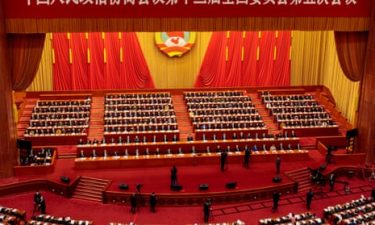
Each year, thousands of delegates from across China convene in Beijing for the “Two Sessions”. This political event comprises the Chinese People’s Political Consultative Conference (CPPCC) and the National People’s Congress (NPC). These gatherings offer vital information about the priorities of China’s leadership amid economic challenges and geopolitical tensions.
What Are the Two Sessions?
The Two Sessions consist of two main meetings. The CPPCC, which meets first, includes political advisors from various sectors, including celebrities. Their discussions are often seen as low-stakes and primarily advisory. The NPC follows, serving as the country’s top legislative body. It comprises around two-thirds members from the Communist Party. Historically, the NPC has never rejected legislation proposed by the party, leading to its description as a “rubber-stamp” parliament.
Significance of the Meetings
The meetings are held at the Great Hall of the People in Beijing. They are tightly controlled to maintain an image of political unity. Extensive security measures are in place to prevent disruptions. State media portray the sessions as evidence of the party’s responsiveness to public needs, despite its monopoly on power. During the NPC’s opening session, Premier Li Qiang presents a government work report outlining key economic targets and plans.
Current Economic Context
China faces economic challenges. The country is struggling with sluggish domestic demand and a prolonged property sector crisis. Youth unemployment remains high. Additionally, the imposition of tariffs by the United States threatens trade relations. The Two Sessions will set official growth targets for 2025, following a reported GDP expansion of just five percent last year, the lowest since 1990, excluding pandemic years.
Military and Economic Budgets
During the meetings, China is expected to announce its annual military budget. This comes amid rising tensions in the South China Sea and the Taiwan Strait. Observers will look for indications of increased military spending. Additionally, there is anticipation regarding support for the private sector. Recent discussions between President Xi Jinping and Chinese tech leaders have raised hopes for a shift in policy, moving away from strict controls on private enterprises.
Key Issues to Watch
Analysts will focus on measures proposed to rejuvenate the economy. They will monitor announcements related to economic stimulus, support for private businesses, and responses to international trade pressures. The outcomes of these sessions could have far-reaching implications for China’s domestic policies and international relations.
Questions for UPSC:
- Critically analyse the significance of the Two Sessions in shaping China’s domestic and foreign policies.
- What are the implications of China’s economic challenges on its geopolitical strategies? Illustrate with examples.
- Estimate the impact of the National People’s Congress on legislative processes in China.
- Point out the relationship between military spending and economic stability in the context of China’s annual budget announcements.
Answer Hints:
1. Critically analyse the significance of the Two Sessions in shaping China’s domestic and foreign policies.
- The Two Sessions provide a platform for the Communist Party to outline its policy priorities, showcasing its control over legislative processes.
- Discussions influence domestic economic strategies, such as growth targets and sectoral support, impacting citizens’ lives directly.
- Foreign policy implications arise as decisions made can affect international relations, particularly regarding trade and military stance.
- The sessions serve as a display of political unity, reinforcing the party’s legitimacy despite challenges.
- State media coverage shapes public perception and international views on China’s governance and policy responsiveness.
2. What are the implications of China’s economic challenges on its geopolitical strategies? Illustrate with examples.
- Sluggish domestic demand and high youth unemployment may compel China to seek new markets and trade partnerships abroad.
- Increased tariffs from the U.S. could lead China to strengthen ties with other nations to mitigate economic impacts.
- The property sector crisis necessitates a focus on stabilizing the economy, which might influence China’s foreign investments.
- China may adopt assertive military postures in regions like the South China Sea to divert attention from economic issues.
- Examples include the Belt and Road Initiative, aimed at expanding influence while addressing domestic economic needs.
3. Estimate the impact of the National People’s Congress on legislative processes in China.
- The NPC is primarily a rubber-stamp body, with no bills rejected, affirming the Communist Party’s legislative dominance.
- It formalizes the policies already decided by the party, thus lacking genuine legislative debate or opposition.
- The NPC’s sessions can legitimize government actions and policies, reinforcing the party’s authority in governance.
- It serves as a platform for showcasing the government’s achievements and future plans to both domestic and international audiences.
- While the NPC influences policy direction, its actual impact on grassroots governance and local implementation is limited.
4. Point out the relationship between military spending and economic stability in the context of China’s annual budget announcements.
- Increased military spending can be seen as a response to perceived external threats, which may divert resources from domestic economic needs.
- Economic stability can be threatened by high military expenditures if they lead to increased national debt or reduced public investment.
- China’s military budget announcements often coincide with economic goals, suggesting a balance between defense and economic growth priorities.
- Military spending can stimulate certain sectors of the economy, such as technology and manufacturing, but may not address broader economic challenges.
- The relationship reflects a strategic choice – prioritizing defense capabilities while managing domestic economic pressures and public expectations.