
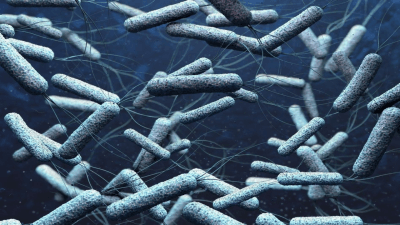
Cholera is a serious and potentially life-threatening disease that is caused by the bacterium Vibrio cholera. It is an infectious disease that spreads through contaminated food or water, and is most common in areas with limited access to clean water and proper sanitation. Cholera affects people of all ages, but young children and the elderly are more susceptible to severe forms of the disease.
Symptoms and Impact
The symptoms of cholera include watery diarrhea, vomiting, muscle cramps, and severe dehydration. If left untreated, cholera can rapidly lead to severe dehydration, shock, and even death. In areas with limited access to medical care and treatment, the disease can spread rapidly and cause widespread outbreaks.
Climate Change and Cholera
Climate change is worsening the impact of cholera, particularly in Africa. According to the World Health Organization (WHO), Africa is expected to be the hardest hit by cholera due to poor water supply, weak sanitation infrastructure, and extreme weather conditions. Climate change is exacerbating the conditions that make communities vulnerable to cholera outbreaks by increasing water scarcity, causing unpredictable weather patterns, and increasing the prevalence of extreme weather events like floods and droughts.
These extreme weather conditions can disrupt water supply systems, leading to the contamination of water sources and the spread of cholera. Additionally, poor sanitation infrastructure makes it difficult to control the spread of the disease once it has taken hold in a community. The WHO reports that the number of cholera cases in Africa has been increasing in recent years, and this trend is expected to continue as climate change continues to worsen the conditions that contribute to the spread of the disease.
Last Modified: February 20, 2024