
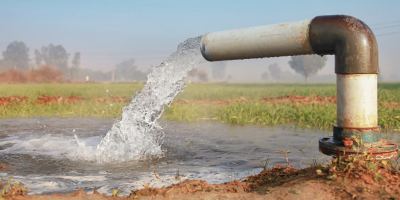
Community-driven rainwater conservation initiatives have significantly improved water availability in several villages of Prakasam district, Andhra Pradesh. These efforts have revitalised groundwater levels, enhanced agricultural productivity, and improved the overall quality of life for local residents. The project highlights the importance of sustainable water management in drought-prone regions.
Background of Water Scarcity in Prakasam District
Prakasam district, located in the coastal region of Andhra Pradesh, frequently faces water shortages due to erratic monsoon patterns and over-extraction of groundwater. Agriculture, the primary livelihood of the district, is severely impacted by these water challenges. Traditional water bodies had deteriorated, reducing natural water retention and recharge capacity.
Community Participation in Rainwater Conservation
Local communities actively participated in restoring and constructing rainwater harvesting structures such as check dams, percolation tanks, and farm ponds. Villagers formed committees to oversee the maintenance of these water bodies. The participatory approach ensured ownership and sustainability of the conservation efforts.
Impact on Groundwater and Agriculture
The conservation measures led to a notable rise in groundwater tables, enabling farmers to access water for irrigation throughout the year. Crop yields improved due to better water availability, allowing diversification into horticulture and other high-value crops. This also contributed to increased income and reduced migration from rural areas.
Role of Government and NGOs
Government agencies provided technical support and funding for water conservation projects. Non-governmental organisations facilitated community mobilisation and capacity building. Combined efforts contributed to the scaling up of successful models across the district, promoting water security and resilience against drought.
What to Study for UPSC Exams?
- Integrated Water Resources Management
- Traditional Water Harvesting Systems in India
- Groundwater Recharge Techniques
- Role of Panchayati Raj in Rural Development
- Impact of Climate Change on Agriculture
Integrated Water Resources Management
Integrated Water Resources Management (IWRM) is a process promoting coordinated development and management of water, land, and related resources to maximize economic and social welfare without compromising ecosystems. It involves multiple stakeholders, including government, communities, and private sectors. IWRM emphasizes sustainability, equity, and efficiency in water use. Tools include basin-level planning, demand management, and conflict resolution. It addresses challenges like water scarcity, pollution, and climate variability by integrating policies across sectors and scales.
Traditional Water Harvesting Systems in India
Traditional water harvesting systems in India include stepwells, tanks, johads, and baolis, designed to capture and store rainwater locally. These structures date back centuries and were adapted to regional climates. They support groundwater recharge, irrigation, and drinking water supply. Many are community-managed and linked to social customs. Their decline occurred due to modernization and urbanization. Revival efforts focus on sustainability, cost-effectiveness, and enhancing water security in arid and semi-arid regions.
Groundwater Recharge Techniques
Groundwater recharge techniques increase the natural replenishment of aquifers through methods like percolation tanks, recharge wells, check dams, and infiltration pits. Artificial recharge addresses groundwater depletion caused by over-extraction. Techniques vary by hydrogeology and rainfall patterns. Benefits include improved water availability, reduced soil erosion, and enhanced drought resilience. Monitoring and maintenance are critical for effectiveness. These methods are integral to sustainable water management in water-scarce areas.
Role of Panchayati Raj in Rural Development
Panchayati Raj Institutions (PRIs) are decentralized local self-government bodies in rural India, established under the 73rd Constitutional Amendment. They function at village, intermediate, and district levels. PRIs plan and implement development programs including water management, sanitation, health, and agriculture. They enable community participation, accountability, and empowerment. PRIs coordinate with government agencies and NGOs for resource mobilization. Their effectiveness depends on capacity, financial autonomy, and social inclusiveness.
Impact of Climate Change on Agriculture
Climate change affects agriculture through altered rainfall patterns, increased temperature, and extreme weather events. It influences crop yields, pest and disease incidence, and soil fertility. Vulnerable regions face droughts, floods, and reduced water availability. Adaptation strategies include crop diversification, improved irrigation, resilient crop varieties, and sustainable practices. Climate change also affects livestock and fisheries. Mitigation involves reducing agriculture’s greenhouse gas emissions through efficient resource use and technology.
Last Modified: April 9, 2026