
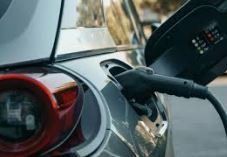
The Delhi government released the draft Electric Vehicle Policy 2.0 (2026–2030) on Saturday, aiming to accelerate electric vehicle adoption and reduce air pollution. The draft, issued by the Transport Department’s EV Cell, is open for 30 days of public consultation. It proposes financial incentives, tax exemptions, and phased restrictions on petrol vehicles.
Tax and Registration Benefits
The policy offers 100% exemption on road tax and registration fees for electric vehicles until 31 March 2030. Electric cars priced up to Rs 30 lakh will receive full tax waivers. Strong hybrid vehicles will get a 50% concession. EVs priced above Rs 30 lakh are ineligible for tax benefits.
Phased Restrictions on Petrol Vehicles
Registration of new petrol-powered two-wheelers, comprising 67% of Delhi’s vehicle population, will be banned from 1 April 2028. Electric three-wheelers will become mandatory from 1 January 2027. Aggregators and commercial operators cannot add petrol or diesel two-wheelers or light goods vehicles (up to 3.5 tonnes) to fleets from 1 January 2026.
Incentives for Electric Vehicles
Electric two-wheelers priced up to Rs 2.25 lakh will receive incentives of Rs 10,000 per kWh (max Rs 30,000) in year one, reducing to Rs 6,600 per kWh (max Rs 20,000) in year two and Rs 3,300 per kWh (max Rs 10,000) in year three. Electric three-wheelers will get Rs 50,000, Rs 40,000, and Rs 30,000 over three years respectively. Electric light commercial vehicles (N1 category) will receive Rs 1 lakh, Rs 75,000, and Rs 50,000 over three years.
Scrappage-Linked Incentives
Buyers of electric cars priced up to Rs 30 lakh will get scrappage-linked incentives by scrapping BS-IV or older vehicles registered in Delhi within six months. The benefit applies to the first 1 lakh applicants. Similar incentives apply to electric N1 goods vehicles. Additional scrappage incentives include Rs 10,000 for two-wheelers, Rs 25,000 for three-wheelers, and Rs 50,000 for N1 goods vehicles. Incentives will be disbursed via direct bank transfer under PM E-DRIVE guidelines.
What to Study for UPSC Exams?
- Electric Vehicle Policies in India
- Air Pollution Control Measures
- Transport Sector and Climate Change
- Vehicle Scrappage and Emission Norms
Electric Vehicle Policies in India
India’s first EV policy was launched by Delhi in 2018, aiming to electrify 25% of new vehicle registrations by 2023. The Faster Adoption and Manufacturing of Hybrid & Electric Vehicles (FAME) scheme provides subsidies for EVs and charging infrastructure. States like Maharashtra and Karnataka have their own policies promoting EV manufacturing and adoption with tax benefits and incentives.
Air Pollution Control Measures
India’s National Clean Air Programme (NCAP) targets a 20-30% reduction in particulate matter by 2024. The introduction of BS-VI fuel standards in 2020 significantly reduced sulfur content in fuel. Odd-even vehicle rationing was implemented in Delhi in 2016 and 2019 to curb vehicular pollution temporarily.
Transport Sector and Climate Change
Transport contributes about 14% of India’s total greenhouse gas emissions. India aims for 30% electric vehicle penetration by 2030 to reduce oil dependency. Biofuels and improved public transport are key strategies to lower carbon emissions in the sector.
Vehicle Scrappage and Emission Norms
India’s Vehicle Scrappage Policy mandates fitness tests for vehicles over 15 years old. BS-VI emission norms, implemented nationwide from April 2020, are among the world’s strictest. Scrappage incentives encourage phasing out old, polluting vehicles to reduce emissions and improve fuel efficiency.
Last Modified: April 12, 2026