
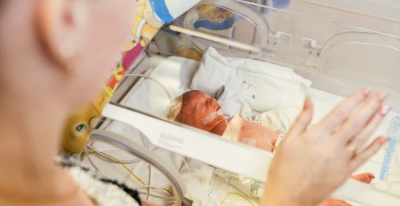
Recent studies reveal that the human brain begins processing rhythm much earlier than previously thought. Research on premature newborns shows that even before full-term birth, the brain responds actively to rhythmic sounds. This discovery sheds light on how the connection between hearing and movement forms in the earliest stages of brain development.
Rhythm Detection Before Birth
Premature infants around 36 weeks gestational age were studied using functional near-infrared spectroscopy (fNIRS). When exposed to rhythmic sounds, their brains showed activity not only in auditory areas but also in motor regions. This suggests that the brain can detect and organise rhythmic patterns before birth. Irregular sounds produced weaker brain responses. This early rhythm detection is believed to help shape language and social communication skills later in life.
Link Between Sound and Movement
The motor cortex, though immature in preterm infants, was activated by rhythmic stimuli. This indicates an early connection between auditory and motor brain areas. Such links prepare the brain for synchronised movement to sound, which typically emerges months after birth. Exposure to the mother’s heartbeat and voice rhythms in the womb may help wire this auditory-motor network.
Significance of Early Rhythm Processing
Experts show that rhythm perception is partly hard-wired in the brain. Early coordination of hearing and movement supports the development of complex rhythmic skills seen in newborns and infants. The motor system does not merely react to sound but actively contributes to how rhythm is perceived from the start. This partnership between auditory and motor areas is essential for later skills like speech, music, and social interaction.
Neural Mechanisms and Brain Oscillations
The findings support the idea that rhythm perception arises from self-organising neural oscillations connecting hearing and movement regions. Although fNIRS cannot track rapid brain waves, previous EEG studies suggest these oscillations are rhythmic. This built-in resonance may enable the brain to learn patterns and coordinate actions from the earliest stages of development.
Clinical Implications for Neonatology
Rhythmic sounds may stimulate synaptic growth in both auditory and motor regions of the developing brain. Smooth and symmetrical spontaneous movements in newborns indicate healthy brain connectivity. These general movements reflect neural coordination and predict better motor outcomes, reducing risks of conditions like cerebral palsy. About early rhythm processing can guide interventions in preterm infant care.
Rhythm as a Foundation for Learning
The brain’s early sensitivity to rhythm forms a foundation for recognising patterns in the environment. This internal sense of beat may be considered the brain’s first music. It helps organise sensory input and supports cognitive development long before babies respond to music or speech. Rhythm thus plays important role in early brain wiring and lifelong learning abilities.
Questions for UPSC:
- Point out the role of early brain development in shaping language and social communication skills in infants.
- Critically analyse the importance of neural oscillations in sensory-motor integration with suitable examples from auditory neuroscience.
- Estimate the impact of prenatal environmental stimuli on foetal brain development and subsequent motor coordination.
- Underline the clinical significance of early detection of brain connectivity in preterm infants and its implications for neonatal healthcare.
Answer Hints:
1. Point out the role of early brain development in shaping language and social communication skills in infants.
- Auditory rhythm processing begins before birth, enabling early encoding of external sounds.
- Early detection of rhythmic patterns supports the brain’s ability to anticipate beats, foundational for language rhythm.
- Linking sound and movement areas helps infants synchronize speech-related motor skills.
- Exposure to maternal heartbeat and voice rhythms wires auditory pathways critical for social communication.
- Early rhythm sensitivity facilitates pattern recognition essential for language acquisition and social interaction.
- Neural connections formed prenatally lay groundwork for later complex communication skills.
2. Critically analyse the importance of neural oscillations in sensory-motor integration with suitable examples from auditory neuroscience.
- Neural oscillations create rhythmic brain waves linking auditory and motor regions for coordinated responses.
- Self-organising oscillations enable the brain to detect and predict rhythmic patterns in sound.
- EEG studies show rhythmic brain activity correlates with perception of beats and movement synchronization.
- Motor cortex activation by rhythmic stimuli before voluntary movement suggests oscillations precede motor control.
- Oscillatory coupling supports learning and timing in sensory-motor integration, crucial for speech and music.
- Limitations of fNIRS show need for faster imaging to fully capture oscillatory dynamics.
3. Estimate the impact of prenatal environmental stimuli on foetal brain development and subsequent motor coordination.
- Foetuses are exposed to rhythmic stimuli like maternal heartbeat and voice, providing constant auditory input.
- Such stimuli help wire the auditory system to detect steady beats and develop timing skills.
- Early auditory-motor brain connections form in response to prenatal rhythmic exposure.
- These connections prepare infants for coordinated movements and social communication post-birth.
- Disruptions in prenatal stimuli may affect motor cortex maturation and later coordination abilities.
- Rhythmic prenatal environment supports synaptic growth and healthy neural network formation.
4. Underline the clinical significance of early detection of brain connectivity in preterm infants and its implications for neonatal healthcare.
- Early brain responses to rhythm indicate functional auditory-motor connectivity before full-term birth.
- Smooth, symmetrical general movements in newborns reflect healthy brain wiring and neural coordination.
- Assessment of motor responses can predict risks of neurological disorders like cerebral palsy.
- Rhythmic sound stimulation may promote synaptic growth, aiding brain development in preterm infants.
- Early detection guides targeted interventions to support motor and cognitive outcomes.
- About rhythm’s role informs neonatal care practices and developmental therapies.