
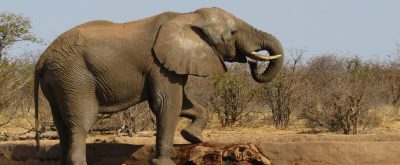
Event occurred in the Namdapha National Park and Tiger Reserve, located in Arunachal Pradesh. After a gap of 12 years, an adult male elephant was captured on camera in the Kathan region of the reserve. This sighting has sparked renewed hope for conservation efforts in the area. Officials emphasised the importance of this event in understanding elephant movement and the necessity of protecting their habitat.
Namdapha National Park Overview
Namdapha National Park spans 1,985 square kilometres and is the easternmost tiger reserve in India. It is known for its rich biodiversity, including various species of flora and fauna. The park serves as important habitat for elephants, tigers, and other wildlife.
Historical Context of Elephant Migration
Elephants in Arunachal Pradesh have historically migrated between the Namsai area and Myanmar. Their migration route included several key locations, such as Boga Pahad and the Noa-Dehing River. This migration is vital for maintaining genetic diversity and ecological balance.
Recent Sightings and Significance
The recent sighting of the male elephant is as it provides vital information about the population dynamics of elephants within the park. The last recorded sighting was in 2013, denoting a concerning gap in elephant presence. Officials believe this sighting indicates a possible recovery of the elephant population in the region.
Impact of Encroachment on Elephant Habitats
Encroachment in the Embeyong areas since 1996 has severely impacted the traditional migration routes of elephants. The 52nd Mile area, previously a crossing point for elephants, is now under unauthorised occupation. This has led to increased human-elephant conflict, causing economic losses for local communities.
Call for Community Involvement
Field Director V.K. Jawal urged local communities to collaborate with the Namdapha authorities for wildlife conservation. He emphasised the need to reopen elephant corridors to facilitate safe movement for elephants and reduce conflict with humans. Community involvement is essential for sustainable conservation efforts.
Future Conservation Strategies
To enhance conservation efforts, continuous monitoring of elephant movements is necessary. Increased patrols in vulnerable areas are crucial to prevent encroachment. Education and awareness programs for local communities can encourage coexistence between humans and elephants.
Government Initiatives and Support
The Arunachal Pradesh Forest Department is committed to protecting wildlife habitats. Government initiatives aim to strengthen conservation policies and restore traditional migration routes. Support from NGOs and local organisations can further boost these efforts.
Importance of Biodiversity Conservation
Biodiversity conservation is essential for ecological health. Protecting elephant habitats contributes to maintaining the overall balance of the ecosystem. Elephants play a vital role in seed dispersal and habitat maintenance, making their conservation critical.
Challenges Ahead
Despite recent positive developments, challenges remain. Encroachment, human-wildlife conflict, and climate change pose threats to elephant populations. Addressing these issues requires a multifaceted approach involving policy changes, community engagement, and sustainable practices.
Questions for UPSC:
- Critically analyse the impact of human encroachment on wildlife habitats in India.
- What are the key challenges faced by conservationists in protecting elephant corridors? Discuss.
- Explain the significance of biodiversity in maintaining ecological balance. Provide suitable examples.
- With suitable examples, comment on the role of local communities in wildlife conservation efforts.
Answer Hints:
1. Critically analyse the impact of human encroachment on wildlife habitats in India.
- Human encroachment leads to habitat loss, fragmenting ecosystems essential for wildlife survival.
- It disrupts traditional migration routes, as seen with elephants in Namdapha National Park.
- Encroachment increases human-wildlife conflict, causing economic losses and threatening species’ survival.
- Legal frameworks often fail to protect habitats, allowing unauthorized settlements to persist.
- Restoration and protection of wildlife habitats are crucial for maintaining biodiversity and ecological balance.
2. What are the key challenges faced by conservationists in protecting elephant corridors? Discuss.
- Encroachment on traditional migration routes restricts elephant movement and access to resources.
- Human-elephant conflict arises when elephants venture into agricultural areas, leading to economic losses.
- Insufficient funding and resources hinder effective monitoring and protection of corridors.
- Community resistance to conservation efforts can complicate corridor protection initiatives.
- Climate change impacts can alter habitats and migration patterns, further complicating conservation efforts.
3. Explain the significance of biodiversity in maintaining ecological balance. Provide suitable examples.
- Biodiversity ensures ecosystem resilience, allowing ecosystems to recover from disturbances.
- Species like elephants contribute to seed dispersal, promoting forest regeneration and habitat diversity.
- High biodiversity supports various ecosystem services, such as pollination, water purification, and soil fertility.
- Loss of biodiversity can lead to ecosystem collapse, as seen in areas with diminished species variety.
- Conserving biodiversity is vital for sustaining human livelihoods and health, as ecosystems provide essential resources.
4. With suitable examples, comment on the role of local communities in wildlife conservation efforts.
- Local communities can act as stewards of the land, protecting habitats through traditional knowledge and practices.
- Community-based conservation programs, like those in Arunachal Pradesh, involve locals in monitoring wildlife.
- Engaging communities in eco-tourism initiatives provides economic incentives while promoting conservation.
- Education and awareness programs can encourage coexistence, reducing human-wildlife conflict.
- Successful examples include the Maasai in Kenya, who have effectively integrated wildlife conservation with their livelihoods.