
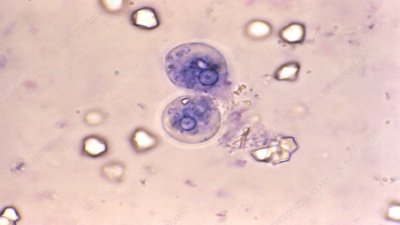
A recent surveillance study conducted in Kolkata, India, has shed light on the presence of Entamoeba moshkovskii, a potential emerging enteric pathogen associated with diarrhea. This finding marks the first report of its circulation in Eastern India and raises concerns about its potential emergence as a new enteric pathogen in the country. With amoebiasis affecting millions of people worldwide, this discovery highlights the need for further investigation and preventive measures to combat the spread of this pathogen.
The Epidemiological Significance:
The study’s key findings underscore the epidemiological importance of E. moshkovskii infection in Eastern India. Amoebiasis, caused by various species of Entamoeba, affects approximately 50 million people annually, resulting in nearly 100,000 deaths, primarily in tropical regions. Despite this significant burden, previous studies have not adequately explored the endemicity of E. moshkovskii, making this report crucial in filling this knowledge gap.
Characteristics of Entamoeba moshkovskii:
E. moshkovskii is morphologically identical to other species such as E. histolytica and E. dispar, both known to cause amoebiasis. This similarity poses challenges in accurately identifying and distinguishing the species, highlighting the need for advanced diagnostic techniques. Moreover, limited studies have been conducted on the genetic and phylogenetic characterization of E. moshkovskii in India, further emphasizing the importance of this recent study.
Study Methodology and Results:
The surveillance study collected and analyzed fecal samples from 6,051 diarrheal patients in Kolkata. Polymerase chain reaction (PCR) tests and sequencing were employed to identify Entamoeba species in the samples. The results revealed that 4.84% of the patient samples tested positive for Entamoeba species, with 3.12% infected with E. moshkovskii. Surprisingly, E. moshkovskii infections were more prevalent than E. histolytica, indicating a decreasing trend in E. histolytica infection rates.
Prevalence and Demographic Patterns:
The study found that children aged 5-12 exhibited the highest prevalence of E. moshkovskii infections. This observation suggests that a lack of health education regarding proper hygiene practices may contribute to the higher infection rates among this age group. Additionally, the infections appeared to be seasonal, with spikes observed during the summer and post-fall seasons. These patterns highlight the need for targeted interventions during peak periods to mitigate the spread of E. moshkovskii.
Genetic Diversity and Transmission:
The study also discovered a diverse population of E. moshkovskii species in Kolkata and adjacent areas. This finding suggests multiple sources of transmission and highlights the need for comprehensive investigations to understand the genetic diversity and potential variations in virulence among these strains. Entamoeba moshkovskii is primarily transmitted through contact or ingestion of contaminated water sources, such as brackish coastal pools, river line sediments, and sewage.
Preventive Measures:
To prevent the transmission of E. moshkovskii, it is crucial to ensure the use of clean water sources for drinking, cleaning, and recreation. Communities should have access to potable water and proper sanitation facilities. Promoting hygiene practices, such as regular hand-washing, especially before meals and after using the restroom, can significantly reduce the risk of infection.
Last Modified: February 22, 2024