
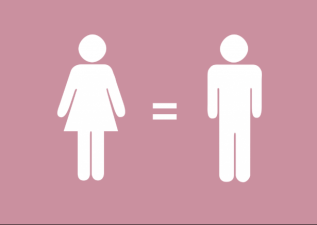
Recent events in India have brought into light ongoing tensions between constitutional ideals and societal realities regarding gender equality. Despite strong legal protections and symbolic gestures, deep-rooted biases and discrimination persist. These challenges call for a comprehensive approach to uphold the promise of equality enshrined in the Constitution.
Constitutional Foundations of Equality
India’s Constitution reflects a firm commitment to equality and secularism. The Preamble, described as a solemn promise by the people to themselves, embodies these values. Women leaders played important role in shaping this framework, ensuring gender-inclusive language and principles. The Constitution guarantees dignity, freedom, and equal rights irrespective of gender, religion, or community.
Recent Incidents Reflecting Societal Fault Lines
Two recent cases illustrate the clash between constitutional ideals and societal attitudes. A Booker Prize-winning novelist faced Supreme Court litigation over a festival invitation, while a former diplomat’s misogynistic remarks at a college sparked protests. Courts and students defended constitutional values, yet these incidents reveal persistent misogyny and intolerance. Such events expose the fragile state of secularism and gender equality in public life.
Gender Bias and Its Impact
Surveys show widespread gender bias among Indian men, affecting education, employment, and political participation. Women remain underrepresented in leadership roles and often rely on reservations for equal opportunities. Violence against women continues to rise, with minority women facing compounded discrimination in housing, healthcare, and education. These inequalities violate the right to live with dignity guaranteed by Article 21 of the Constitution.
Political Discourse and Normalisation of Prejudice
Misogyny and religious bigotry have become increasingly visible in political rhetoric. Hate speech by leaders in public forums and Parliament encourages a culture of prejudice. This normalisation of bias at the highest levels undermines efforts to promote equality and respect for diversity in society.
Need for a Mindset Shift
Legal reforms alone cannot eradicate entrenched gender inequality. A cultural transformation is essential. Education systems must promote gender-egalitarian values from early childhood through higher education. Curricula should challenge stereotypes and encourage respect between genders. Universities can support this by facilitating open dialogue and mandatory gender studies modules.
Role of Families and Communities
Beyond schools, community initiatives that encourage shared family responsibilities and active fatherhood can reshape attitudes at home. These efforts demonstrate the everyday value of gender equality and help embed respect and inclusivity in social norms. Sustained multi-level engagement is crucial to amplify women’s voices in law, policy, and society.
Questions for UPSC:
- Discuss in the light of the Constitution of India how gender equality is both a fundamental right and a social challenge.
- Critically examine the role of education in transforming societal attitudes towards gender equality in India.
- Explain the impact of political discourse on social harmony and secularism with suitable examples from contemporary India.
- With suitable examples, discuss the intersectionality of caste, religion, and gender in perpetuating discrimination in India.