
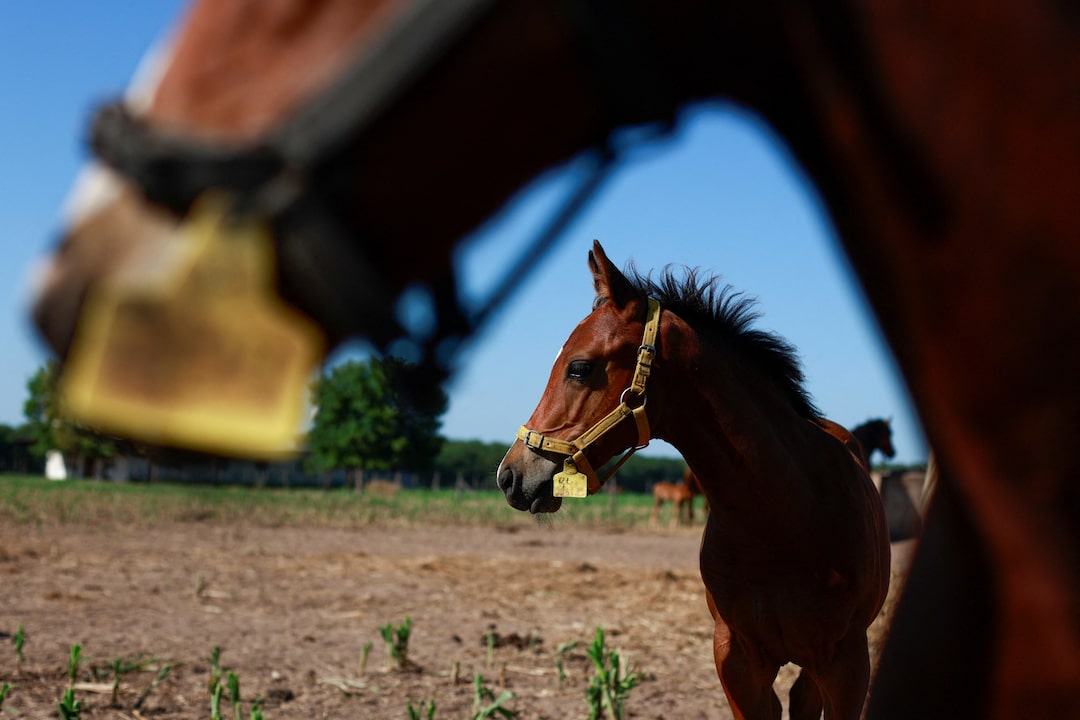
Recent advancements in biotechnology have led to the creation of genetically edited horses in Argentina. This breakthrough was achieved by Kheiron, a biotech firm that used CRISPR-Cas9 technology. The aim was to enhance the performance of horses, particularly in polo. The first five genetically edited horses were born in late 2024. These horses are designed to surpass the legendary Polo Pureza, renowned for her exceptional speed and agility.
CRISPR-Cas9 Technology Explained
CRISPR-Cas9 is a revolutionary gene-editing tool. It allows scientists to make precise alterations to an organism’s DNA. This technique employs molecular “scissors” to cut specific regions of the genome. Once the DNA is cut, changes can be made to enhance desirable traits. This method is faster and more targeted than traditional breeding techniques.
Genetic Selection from Polo Pureza
Polo Pureza served as the genetic foundation for the new horses. Scientists extracted genes from her to enhance traits such as speed and muscle fibre composition. The aim was to increase explosive speed while retaining other champion qualities. This approach ensures that the edited horses remain compliant with Argentine regulations.
Regulatory Compliance and Ethical Considerations
The genetically edited horses do not fall under the category of genetically modified organisms (GMOs). Kheiron’s approach focuses on natural gene sequences. This method aligns with current regulations in Argentina, avoiding the classification of genetic doping. The aim is to introduce natural variations more rapidly and precisely than traditional methods.
Broader Applications of Genetic Editing
Kheiron’s research extends beyond horses. The company is also exploring genetic modifications in pigs and cows. The goal for pigs is to create organ compatibility for human transplants. In cows, the focus is on increasing protein content and developing traits for better heat resistance. This research has implications for agriculture and medicine.
Future Implications of Gene Editing in Sports
The introduction of genetically edited horses could revolutionise equestrian sports. Enhanced performance traits may lead to changes in competitive standards. This raises questions about fairness and ethics in sports. The implications of such advancements warrant further discussion among stakeholders in the equestrian community.
Challenges and Limitations
Despite the potential benefits, gene editing in animals faces challenges. Public perception and ethical concerns remain hurdles. The long-term effects of such modifications are still unknown. Further research is needed to ensure the welfare of genetically edited animals.
Questions for UPSC:
- Critically examine the ethical implications of using CRISPR-Cas9 technology in agriculture.
- Discuss in the light of current regulations how genetic editing differs from traditional breeding methods.
- Explain the potential impacts of genetically modified organisms on biodiversity and ecosystem stability.
- With suitable examples, discuss the role of biotechnology in enhancing food security and sustainability.
Answer Hints:
1. Critically examine the ethical implications of using CRISPR-Cas9 technology in agriculture.
- CRISPR-Cas9 allows precise gene editing, raising concerns about unintended consequences on ecosystems.
- Ethical debates focus on animal welfare, particularly regarding the long-term health of edited organisms.
- Potential for creating ‘designer’ organisms could lead to socio-economic disparities in agriculture.
- Public perception varies; some view it as a scientific advancement, while others fear ‘playing God’.
- Regulatory frameworks are still evolving, impacting oversight and ethical standards in agricultural practices.
2. Discuss in the light of current regulations how genetic editing differs from traditional breeding methods.
- Genetic editing employs CRISPR-Cas9 for targeted modifications, while traditional breeding relies on natural selection and genetic variation.
- Regulations in many countries classify edited organisms differently from genetically modified organisms (GMOs).
- Gene editing can produce specific traits in one generation, unlike traditional methods that may take multiple generations.
- Current regulations often allow gene editing if it uses natural sequences, avoiding GMO classification.
- Ethical considerations and potential impacts on biodiversity are more rigorously scrutinized in traditional breeding.
3. Explain the potential impacts of genetically modified organisms on biodiversity and ecosystem stability.
- GMOs can potentially disrupt local ecosystems by outcompeting native species for resources.
- Genetic modifications may lead to loss of genetic diversity, making populations more vulnerable to diseases.
- Altered traits in GMOs can affect food webs and predator-prey relationships within ecosystems.
- On the positive side, GMOs can be engineered for pest resistance, reducing the need for chemical pesticides.
- Long-term ecological studies are necessary to fully understand the impacts of GMOs on biodiversity.
4. With suitable examples, discuss the role of biotechnology in enhancing food security and sustainability.
- Biotechnology enables the development of drought-resistant crops, such as genetically modified maize, improving yields in arid regions.
- Biofortification, like Golden Rice enriched with Vitamin A, addresses nutritional deficiencies in vulnerable populations.
- Biopesticides derived from natural organisms reduce chemical pesticide use, promoting sustainable farming practices.
- CRISPR technology allows rapid development of disease-resistant plants, which can help stabilize food supplies.
- Biotechnology also enhances livestock productivity through genetic selection, contributing to more efficient food production systems.