
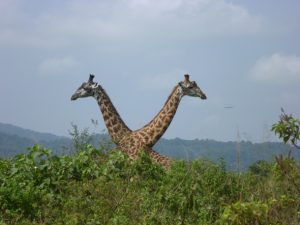
The giraffe population in Africa is facing a critical decline. Factors such as climate change, habitat loss, and poaching are driving these majestic animals towards extinction. Recent research advocates for a reclassification of giraffe species to enhance conservation efforts. Currently, the International Union for the Conservation of Nature recognises only one species of giraffe, which is divided into nine subspecies. However, accumulating evidence suggests that there are actually four distinct species based on various morphological and genetic traits.
Current Taxonomy of Giraffes
The existing classification acknowledges one giraffe species. This species is further divided into nine subspecies. However, studies over the past five decades reveal differences among these subspecies. These differences are evident in pelage patterns, cranial and postcranial morphology, genetics, ecology, and behaviour.
Recent Research Findings
A notable study titled “Heads up–Four Giraffa Species Have Distinct Cranial Morphology” has provided substantial evidence for the reclassification of giraffes. Researchers analysed 515 giraffe skulls using 3D geometric morphometrics. The study identified distinct sexual dimorphism and variations in skull shape among four giraffe species – northern giraffe (Giraffa camelopardalis), reticulated giraffe (G. reticulata), Masai giraffe (G. tippelskirchi), and southern giraffe (G. giraffa).
Conservation Implications
The researchers emphasise the necessity of focusing conservation efforts on these distinct species. They argue against mixing populations from unrelated groups. The ossicones, which are horn-like structures on giraffes, are cited as a key trait for understanding their anatomy and behaviour. The conservation strategy should target these four species and consider their subspecies to maintain biodiversity.
Regulatory Measures
In November of the previous year, the US Fish and Wildlife Service proposed listing giraffes under the US Endangered Species Act. This proposal aims to protect five subspecies of giraffes. The researchers believe that such regulatory measures are crucial for preserving the unique characteristics of each giraffe taxon in the wild.
Future Directions in Research
Future research should focus on further understanding the genetic and ecological distinctions among the giraffe species. This knowledge will help in formulating more effective conservation strategies. Continued studies are necessary to monitor the impacts of climate change and habitat loss on giraffe populations.
Importance of Public Awareness
Raising public awareness is vital for giraffe conservation. Education about the threats facing giraffes can mobilise support for conservation initiatives. Engaging local communities in conservation efforts can also enhance the effectiveness of these initiatives.
Global Conservation Efforts
International collaboration is essential for giraffe conservation. Various organisations are working towards habitat preservation and anti-poaching measures. Strengthening these efforts is crucial to ensure the survival of giraffes in their natural habitats.
Questions for UPSC:
- Critically discuss the implications of climate change on biodiversity and conservation efforts worldwide.
- Examine the role of genetic studies in redefining species classification in the animal kingdom.
- Analyse the effectiveness of the US Endangered Species Act in protecting endangered animal species.
- Estimate the impact of habitat loss on wildlife populations, particularly in Africa.
Answer Hints:
1. Critically discuss the implications of climate change on biodiversity and conservation efforts worldwide.
- Climate change alters habitats, affecting species distribution and survival.
- Increased temperatures and extreme weather events lead to habitat degradation.
- Species face extinction risk as ecosystems become unstable.
- Conservation strategies must adapt to changing climates to be effective.
- Global cooperation is essential for addressing transboundary climate impacts.
2. Examine the role of genetic studies in redefining species classification in the animal kingdom.
- Genetic studies provide vital information about evolutionary relationships among species.
- They reveal hidden biodiversity by identifying distinct genetic lineages.
- Reclassification can lead to more targeted conservation efforts.
- Genetic data helps in understanding species adaptation and resilience.
- Advancements in technology enhance the accuracy of genetic analyses.
3. Analyse the effectiveness of the US Endangered Species Act in protecting endangered animal species.
- The Act has successfully prevented the extinction of several species.
- It provides legal protection for habitats critical to endangered species.
- Funding and resources for conservation efforts are often linked to the Act.
- Challenges include political opposition and limited enforcement capabilities.
- Success varies by species, with some benefiting more than others.
4. Estimate the impact of habitat loss on wildlife populations, particularly in Africa.
- Habitat loss leads to fragmentation, isolating wildlife populations.
- Species lose access to food, mating opportunities, and shelter.
- Increased human-wildlife conflict arises as animals encroach on human areas.
- Many species face extinction due to rapid habitat destruction.
- Conservation efforts must prioritize habitat preservation and restoration.