
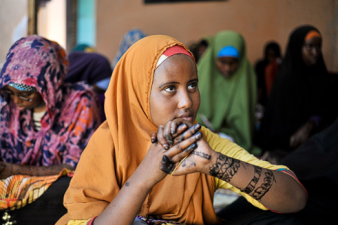
Recent reports indicate a pressing need to address Female Genital Mutilation (FGM) globally. Despite some progress, many countries struggle to meet the targets set by the United Nations Sustainable Development Goals (SDGs). The situation is particularly concerning in nations like The Gambia, where opposition to FGM bans persists. More than 230 million girls and women have already experienced FGM, with projections suggesting that an additional 27 million could be affected by 2030 if current trends continue.
About Female Genital Mutilation
FGM refers to the partial or total removal of external female genitalia. It is often performed for cultural, religious, or social reasons. The practice is prevalent in various regions, particularly in Africa and the Middle East. FGM is a violation of human rights and can lead to severe health complications, including chronic pain, infections, and complications during childbirth.
Current Global Statistics
According to data from 31 countries, only seven are on track to eliminate FGM by 2030. The prevalence of FGM varies across regions. Countries like Kenya and Uganda have reported declines in FGM rates, showcasing the potential for positive change when effective measures are implemented.
The Role of International Agencies
The UNFPA-UNICEF programme plays a vital role in the fight against FGM. It promotes coordinated efforts among governments, civil society, and healthcare providers. The programme encourages community-led initiatives that empower women and educate communities about the dangers of FGM.
Importance of Advocacy and Education
Advocacy is crucial in changing societal attitudes towards FGM. Education programmes can inform communities about the health risks associated with the practice. Investing in education and protection initiatives helps create a supportive environment for girls and women at risk.
Collaborative Efforts for Change
Eliminating FGM requires collaboration among various stakeholders. Governments must enforce laws against FGM and ensure that healthcare providers are trained to support affected women. Grassroots organisations play a very important role in mobilising community support and driving change from within.
Urgency for Action
The UN agencies have called for increased efforts and resources to combat FGM. They stress the importance of acting with urgency to prevent millions of girls from undergoing this harmful practice. Sustained action is essential to achieve the SDG target of eliminating FGM by 2030.
Questions for UPSC:
- Critically examine the implications of Female Genital Mutilation on women’s health and rights.
- Discuss in the light of international law the measures taken to eliminate Female Genital Mutilation globally.
- What is the role of community-led initiatives in reducing the prevalence of Female Genital Mutilation? Provide examples.
- Explain the importance of education in combating harmful traditional practices like Female Genital Mutilation.
Answer Hints:
1. Critically examine the implications of Female Genital Mutilation on women’s health and rights.
- FGM leads to severe health complications, including chronic pain, infections, and complications during childbirth.
- It is a violation of human rights, impacting women’s physical and mental well-being.
- FGM can cause long-term psychological issues, including depression and anxiety.
- The practice undermines women’s autonomy and freedom, reinforcing gender inequality.
- Women subjected to FGM often face social stigma and exclusion, limiting their opportunities.
2. Discuss in the light of international law the measures taken to eliminate Female Genital Mutilation globally.
- International treaties, such as the Convention on the Elimination of All Forms of Discrimination Against Women (CEDAW), condemn FGM.
- The UN Sustainable Development Goals (SDGs) aim for the elimination of FGM by 2030.
- Many countries have enacted laws prohibiting FGM, aligning with international human rights standards.
- International agencies, like UNFPA and UNICEF, support policy development and implementation against FGM.
- Global campaigns and advocacy efforts raise awareness and mobilize resources to combat FGM.
3. What is the role of community-led initiatives in reducing the prevalence of Female Genital Mutilation? Provide examples.
- Community-led initiatives empower local populations to challenge and change harmful traditions.
- Programs in Kenya have successfully reduced FGM rates by engaging community leaders and influencers.
- Grassroots organizations educate communities on the health risks associated with FGM.
- In Uganda, community dialogues have encourageed discussions that shift cultural perceptions of FGM.
- These initiatives often include support networks for women and girls affected by FGM.
4. Explain the importance of education in combating harmful traditional practices like Female Genital Mutilation.
- Education raises awareness about the health risks and human rights violations associated with FGM.
- Informed communities are more likely to reject harmful practices and support alternatives.
- Educational programs can help empower girls, giving them the knowledge to advocate for their rights.
- Investing in education encourages long-term cultural change, reducing the prevalence of FGM.
- Schools can serve as platforms for discussing gender equality and the importance of women’s health.