
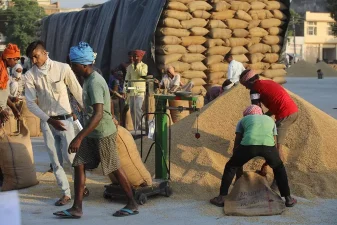
The Government of India has recently imposed stricter regulations on wheat stock holdings. This move aims to control prices and prevent hoarding. The new rules were announced on a Wednesday and will remain effective until 31st March 2025. The food ministry emphasised the need for these regulations to maintain food security and manage market stability.
Revised Stock Limits
The updated stock limits reduce the amount of wheat that various entities can hold. Wholesalers can now stock a maximum of 1,000 tonnes, down from 2,000 tonnes. Retailers are restricted to 5 tonnes per outlet, halving their previous allowance. Big chain retailers face similar reductions. Processors can maintain only 50% of their monthly installed capacity, which is a decrease from the earlier 60%.
Registration and Compliance
All entities involved in wheat stocking must register on a designated portal. They are required to update their stock positions every Friday. This initiative aims to enhance transparency and monitor compliance effectively. If any entity holds stocks exceeding the new limits, they must adjust their holdings within 15 days of the notification.
Enforcement Measures
Entities failing to register or violating the stock limits face penalties under the Essential Commodities Act of 1955. The government is committed to enforcing these regulations strictly. This will help deter unscrupulous practices in the market.
Rationale Behind Regulations
The government’s decision comes in the wake of rising wheat prices and concerns over food security. The measures are designed to curb hoarding and speculation that could destabilise the wheat market. By regulating stock levels, the government aims to ensure that wheat remains accessible to consumers at reasonable prices.
Monitoring and Future Actions
The food ministry is closely monitoring the wheat stock situation. Regular assessments will guide future policy decisions. The government is prepared to take additional steps if necessary to maintain market stability and food security.
Implications for Stakeholders
These changes will impact various stakeholders. Wholesalers, retailers, and processors must adapt to the new limits. Compliance with the regulations is crucial for avoiding penalties. The government’s actions reflect its commitment to managing food resources effectively.
Public Response
Reactions to the new regulations have been mixed. Some stakeholders express concern over the reduced stock limits. Others support the measures as necessary for controlling prices. The public is keenly observing the outcomes of these regulations.
Conclusion
The tightening of wheat stock holding norms is step by the Government of India. It reflects ongoing efforts to manage food security and price stability in the country.
Questions for UPSC:
- Discuss the implications of the Essential Commodities Act, 1955 on food security in India.
- Critically examine the role of government regulations in controlling market prices during inflation.
- What are the reasons for the rise in wheat prices in India? Explain the impact on consumers.
- With suitable examples, discuss the importance of food stock management in crisis situations.
Answer Hints:
1. Discuss the implications of the Essential Commodities Act, 1955 on food security in India.
- The Act allows the government to regulate the production, supply, and distribution of essential commodities.
- It aims to prevent hoarding and black marketing, ensuring that essential goods remain available to consumers.
- Penalties for non-compliance help deter unscrupulous practices that threaten food security.
- Facilitates timely intervention during shortages to stabilize prices and supply.
- Enhances transparency in the market through mandatory registration and reporting of stock levels.
2. Critically examine the role of government regulations in controlling market prices during inflation.
- Government regulations can prevent excessive price hikes by capping stock limits and controlling supply.
- Regulatory measures can enhance market stability and protect consumers from volatile price fluctuations.
- However, excessive regulation may lead to supply shortages if producers are discouraged from stocking goods.
- Effective enforcement of regulations is crucial to ensure compliance and achieve desired outcomes.
- Balancing regulation and market freedom is essential for sustainable price control during inflation.
3. What are the reasons for the rise in wheat prices in India? Explain the impact on consumers.
- Factors include supply chain disruptions, increased demand, and climatic conditions affecting production.
- Government policies and stock limits can also influence market dynamics and price stability.
- Rising prices lead to higher food costs, impacting low-income consumers disproportionately.
- Increased wheat prices can cause a ripple effect on the prices of other food items.
- Consumer purchasing power may decline, leading to reduced access to essential food items.
4. With suitable examples, discuss the importance of food stock management in crisis situations.
- Effective stock management ensures availability of essential food items during natural disasters or pandemics.
- For example, during the COVID-19 pandemic, regulated stock levels helped stabilize food supply chains.
- Proper management can prevent panic buying and hoarding, maintaining market order.
- Government reserves can be released to mitigate shortages during emergencies, ensuring food security.
- Stock management practices can enhance resilience against future crises by preparing for potential disruptions.