
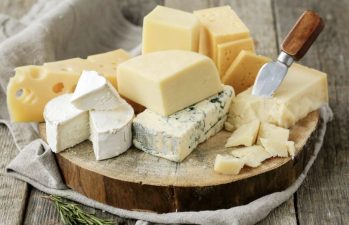
While India is globally recognized for Paneer (an acid-set, non-aged cheese), the country possesses a diverse repository of traditional, artisanal, and fermented cheeses. These varieties, often linked to specific pastoral communities and colonial legacies, are increasingly significant for UPSC Prelims under the categories of Geographical Indications (GI), One District One Product (ODOP), and Indigenization of Food Technology.
Classification and Geographical Distribution of Indian Cheeses
Indian traditional cheeses are primarily produced in the Himalayan belt and coastal regions. They are categorized based on the source of milk (Cow, Buffalo, or Yak) and the method of processing (smoking, sun-drying, or fermentation).
| Cheese Variety | Primary Region | Milk Source | Key Characteristics |
| Yak Chhurpi | Arunachal Pradesh, Sikkim | Yak Milk | Extremely hard; high protein; GI Tagged (Arunachal). |
| Kalari / Kaladi | Jammu & Kashmir | Cow/Buffalo | “Mozzarella of Kashmir”; stretchy texture; ODOP product. |
| Bandel Cheese | West Bengal | Cow Milk | Salted and Smoked; Portuguese colonial heritage. |
| Topli Paneer | Gujarat (Parsi hubs) | Cow Milk | Basket-molded; wobbly, custard-like texture. |
| Qudam | Ladakh | Yak/Cow | Sun-dried; hard; long shelf-life for survival. |
| Kalimpong | West Bengal | Cow Milk | Semi-hard; sharp aroma; Swiss-missionary origin. |
Himalayan Indigenous Varieties
Yak Chhurpi (Arunachal Pradesh & Sikkim)
Awarded the Geographical Indication (GI) Tag in late 2024 (Arunachal Pradesh), Yak Chhurpi is a cornerstone of the Monpa tribal economy. It is produced from the milk of the Arunachali Yak, a breed native to high altitudes.
- Production: The milk is fermented naturally. The soft version is used in curries (Ema Datshi style), while the hard version is dried over wood smoke until it becomes rock-hard.
- Significance: It serves as a vital protein source in oxygen-depleted, high-altitude regions where fresh produce is scarce.
Kalari / Kaladi (Jammu & Kashmir)
Known as the “Mozzarella of Jammu,” this cheese is primarily associated with the Dogra community of Udhampur. It has been designated under the One District One Product (ODOP) initiative.
- Texture: Dense when raw; becomes gooey and stretchy when pan-fried.
- Economic Impact: The CSIR-CFTRI and CSIR-IIIM are currently working to enhance its shelf life to facilitate national and global exports without compromising its traditional nutritional profile.
Qudam (Ladakh)
This is an ancient, hard cheese variant from the cold desert of Ladakh. Unlike fresh paneer, Qudam is designed for survival in extreme winters. It is typically prepared from sour curd and is sun-dried, resulting in a slightly tangy and crumbly product.
Colonial and Artisanal Heritage Cheeses
Bandel Cheese (West Bengal)
Traced back to the 16th-century Portuguese settlement in Bandel, Hooghly district, this is perhaps India’s most famous colonial cheese.
- Variants: Available in two forms—Plain (white) and Smoked (brown). The smoking was traditionally done over cow-dung cakes to act as a natural preservative for long sea voyages.
- Status: Currently produced by a very small number of families in the Bankura and Hooghly districts. Efforts for its GI tagging are ongoing to preserve the 500-year-old technique.
Kalimpong Cheese (West Bengal)
Introduced by Swiss missionaries in the Kalimpong hills, this cheese is unique for its European “cheddar-like” ripening process. It is a semi-hard cheese with a yellowish rind, known for its sharp, acidic tang and crumbly texture.
Community-Specific Varieties
Topli na Paneer (Parsi Cuisine)
A delicacy of the Parsi community in Gujarat and Mumbai, this “basket cheese” is distinct from regular paneer.
- Method: It is curdled using rennet (traditionally from dried gizzards, though microbial rennet is now used) and set in small wicker baskets (toplis).
- Texture: It is never pressed, allowing it to retain a salty whey-infused, wobbly texture. It is usually served at Parsi weddings and celebratory feasts.
Technical and Nutritional Trivia for UPSC
Nutrient Profile and Digestion
- Probiotics: Unlike processed cheese, traditional Indian varieties like Chhurpi and Bandel involve natural fermentation, making them rich in gut-friendly bacteria.
- Lactose Content: The extended fermentation and washing process in Chhurpi and Qudam reduces lactose content, making them more digestible for lactose-sensitive populations.
Conservation and GI Protection
- The Department for Promotion of Industry and Internal Trade (DPIIT) encourages the registration of these cheeses under GI tags to protect the intellectual property of indigenous pastoralists (e.g., the Monpas of Arunachal or the Gujjars/Bakarwals of J&K).
- Economic Integration: Modern food technology interventions (by FSSAI and CSIR) aim to standardize the hygiene of “raw milk” cheeses like Bandel and Kalari to meet international export standards.