
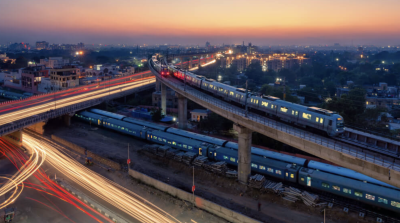
The Hyderabad Metro Rail project faced significant operational challenges after the state government took over its management in 2024. The takeover involved a financial restructuring deal affecting project ownership and service delivery. Hyderabad Metro covers 69 km across three corridors, serving over 400,000 daily passengers before the takeover.
Ownership and Financial Restructuring
The Telangana government acquired a controlling stake from L&T Metro Rail Hyderabad Ltd (L&TMRHL). The deal included a debt restructuring plan involving ₹8,000 crore liabilities. The government aimed to stabilise operations by injecting ₹2,000 crore capital. The takeover altered the original public-private partnership (PPP) model established in 2012.
Operational and Service Issues
Post-takeover, service frequency dropped from 4 minutes to 7 minutes during peak hours. Maintenance backlogs increased due to funding delays. Passenger complaints rose concerning cleanliness and ticketing system glitches. The metro experienced a 15% decline in daily ridership within three months of management change.
Infrastructure and Expansion Delays
Ongoing construction of Phase II corridors faced halts owing to funding uncertainties. Planned extensions to 104 km were deferred indefinitely. Equipment procurement faced delays due to revised tender processes under government control. The project’s completion timeline shifted from 2025 to 2027.
Governance and Regulatory Challenges
The takeover led to jurisdictional ambiguities between the Hyderabad Metropolitan Development Authority (HMDA) and the Metro Rail Corporation. Regulatory approvals for fare revisions remained pending. Coordination issues emerged between state transport and metro authorities on feeder services integration.
What to Study for UPSC Exams?
- Urban Transport Policy Framework
- Public-Private Partnership Models
- Metropolitan Governance Structures
- Infrastructure Financing Mechanisms
Urban Transport Policy Framework
Urban transport policies guide the development and management of city transit systems to ensure accessibility, sustainability, and efficiency. The first formal urban transport policy was introduced by the World Bank in the 1990s. Policies often integrate non-motorized transport and promote public transit to reduce congestion and pollution.
Public-Private Partnership Models
Public-Private Partnerships (PPPs) combine government and private sector resources for infrastructure projects. The Build-Operate-Transfer (BOT) model is a common PPP type. PPPs gained prominence globally in the 1990s to leverage private investment for public services while sharing risks.
Metropolitan Governance Structures
Metropolitan governance involves coordinating multiple local governments within a metropolitan area for regional planning and service delivery. Structures vary from metropolitan authorities to councils of governments. The concept emerged in the early 20th century to address urban sprawl and fragmented administration.
Infrastructure Financing Mechanisms
Infrastructure financing includes public funding, private investment, and innovative tools like municipal bonds and land value capture. Development banks and sovereign wealth funds also play key roles. Mechanisms evolve to balance risk, return, and public interest in large-scale projects.
Last Modified: April 16, 2026