
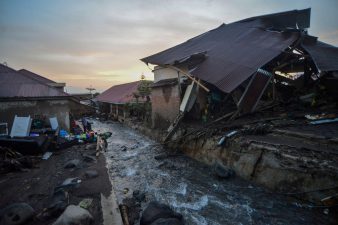
In 2024, India faced hydro-meteorological disasters, resulting in 2,936 fatalities. Himachal Pradesh recorded the highest number of casualties. This alarming trend marks the increasing impact of climate-related events across the nation. The Union Home Ministry disclosed these figures in response to queries in the Lok Sabha, revealing the extent of damage and loss of life caused by floods, landslides, and other disasters.
Overview of Casualties and Damage
- In 2024, the states with the highest casualty rates included Himachal Pradesh (408 deaths), Madhya Pradesh (373), Kerala (355), Gujarat (230), and Maharashtra (206).
- Other states like Karnataka, Rajasthan, Assam, and Chhattisgarh also reported fatalities.
- The total number of houses and huts damaged reached 363,381, with Assam alone accounting for 156,691 of these.
- The statistics tell the urgent need for improved disaster management strategies.
Loss of Livestock and Infrastructure
The disasters also led to the loss of 61,826 cattle. The destruction of infrastructure has severe implications for local economies and livelihoods. The damage to homes and loss of livestock exacerbate the challenges faced by affected communities, necessitating immediate relief and rehabilitation efforts.
Role of State Governments
According to the National Policy on Disaster Management, state governments hold primary responsibility for disaster management. They are tasked with providing immediate relief and assistance through the State Disaster Response Fund (SDRF). The central government plays a supportive role, offering logistics and financial aid to boost state efforts.
Assessment and Response Mechanisms
The government employs Inter-Ministerial Central Teams (IMCTs) to assess the damage caused by severe disasters. These teams are dispatched to affected areas to evaluate the situation and recommend additional financial assistance from the National Disaster Response Fund (NDRF). In 2024, 14 IMCTs were formed for various states to conduct on-the-spot assessments.
Importance of Preparedness and Mitigation
The rising frequency of hydro-meteorological disasters necessitates a shift towards proactive disaster preparedness and mitigation strategies. This includes enhancing infrastructure resilience, improving early warning systems, and encouraging community awareness. Effective planning can reduce casualties and property loss in future events.
Legislative and Policy Frameworks
India’s approach to disaster management is governed by various policies and frameworks aimed at enhancing response capabilities. These include the National Disaster Management Act and the establishment of the National Disaster Management Authority (NDMA). Continuous evaluation and adaptation of these policies are crucial to address emerging challenges posed by climate change.
Community Involvement and Awareness
Community engagement is essential in disaster preparedness. Local knowledge and participation can improve response times and recovery efforts. Initiatives aimed at educating communities about risks and response strategies can encourage resilience and reduce vulnerability.
Questions for UPSC:
- Examine the impact of hydro-meteorological disasters on rural economies in India.
- Analyse the effectiveness of the National Disaster Response Fund in mitigating disaster impacts.
- Critically discuss the role of state governments in disaster management and recovery efforts.
- Estimate the long-term consequences of climate change on India’s disaster frequency and response mechanisms.
Answer Hints:
1. Examine the impact of hydro-meteorological disasters on rural economies in India.
- Disasters cause damage to infrastructure, disrupting local markets and trade.
- Loss of livestock and crops affects food security and livelihoods for rural families.
- Increased financial strain on households leads to poverty and economic instability.
- Relief and rehabilitation efforts are often slow, prolonging recovery and economic setbacks.
- Disasters can lead to migration as families seek better opportunities elsewhere, impacting rural demographics.
2. Analyse the effectiveness of the National Disaster Response Fund in mitigating disaster impacts.
- NDRF provides financial assistance for immediate relief and rehabilitation post-disasters.
- Assessment by Inter-Ministerial Central Teams (IMCTs) ensures targeted support based on needs.
- Supplementary funding helps states manage severe disasters effectively.
- However, delays in fund disbursement can hinder timely relief efforts.
- Continuous evaluation and adaptation of fund usage are necessary for improved outcomes.
3. Critically discuss the role of state governments in disaster management and recovery efforts.
- State governments are primarily responsible for immediate disaster response and relief efforts.
- They manage the State Disaster Response Fund (SDRF) for local relief measures.
- Coordination with central government is essential for logistics and additional support.
- Local knowledge and governance structures can enhance response effectiveness.
- Challenges include resource limitations and bureaucratic delays in relief distribution.
4. Estimate the long-term consequences of climate change on India’s disaster frequency and response mechanisms.
- Climate change is expected to increase the frequency and intensity of hydro-meteorological disasters.
- Rising sea levels and erratic weather patterns threaten coastal and rural communities.
- Increased disasters will strain existing response mechanisms and resources.
- Need for enhanced preparedness and adaptive strategies to cope with changing climate realities.
- Long-term planning and investment in resilience-building measures are crucial for sustainability.