
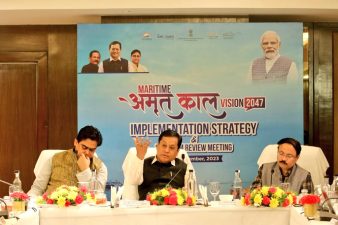
India is making strides in enhancing its maritime sector. Recent initiatives focus on improving port infrastructure and increasing cargo handling capacity. The Union Minister of Ports, Shipping, and Waterways, Sarbananda Sonowal, has outlined a vision for India to rank among the top ten maritime nations by 2047. This ambition is supported by ongoing projects and investments aimed at modernising ports and shipbuilding capabilities.
Enhancing Port Infrastructure
The government is prioritising the development of port facilities. Kamarajar Port in Chennai has been brought into light for its role in easing congestion at Chennai Port. This port is crucial for efficient coal handling and is set to undergo further expansion. Key projects include the construction of a new jetty by the Indian Oil Corporation Limited, which will have a capacity of 3 million tonnes per annum.
Boosting Cargo Handling Capacity
India’s strategy includes increasing cargo handling capabilities across its ports. The introduction of advanced technologies and modern equipment is essential for improving operational efficiency. The focus is on timely project execution and maintaining high-quality standards. These measures will ensure that ports can handle growing trade volumes effectively.
Developing Shipbuilding and Repair Ecosystem
A robust shipbuilding and repair ecosystem is vital for India’s maritime ambitions. Investments in shipyards and training facilities are being made to enhance local capabilities. This will reduce dependence on foreign shipbuilding services and create job opportunities within the sector.
Environmental Considerations
Sustainability is a key aspect of India’s maritime development. The planned seawater desalination plant at Kamarajar Port will support local communities by providing drinking water. This initiative reflects a commitment to environmental responsibility while addressing the needs of the population.
Investment in Technological Advancements
The establishment of an Integrated Command and Control Centre at Kamarajar Port is part of a broader strategy to incorporate technology in maritime operations. This centre will enhance safety and efficiency in port management. The combined investment of Rs 545 crore in these projects signifies the government’s dedication to modernising the maritime sector.
Commitment to Maritime Growth
The government’s focus on infrastructure development is expected to transform India into a maritime powerhouse. The vision for 2047 includes not only improved ports but also a comprehensive approach to maritime trade and industry. Kamarajar Port will play a very important role in this transformation, showcasing India’s potential in global maritime activities.
Questions for UPSC:
- Critically analyse the role of Kamarajar Port in enhancing India’s maritime capacity.
- Estimate the impact of improved port infrastructure on India’s trade dynamics.
- Point out the key features of India’s maritime vision for 2047 and their implications.
- What are the environmental challenges faced by the maritime sector in India? With suitable examples, discuss potential solutions.
Answer Hints:
1. Critically analyse the role of Kamarajar Port in enhancing India’s maritime capacity.
- Kamarajar Port alleviates congestion at Chennai Port, improving overall efficiency.
- It plays important role in coal handling, which supports energy needs.
- Ongoing projects, like the IOCL jetty, will boost cargo capacity.
- The port’s strategic location enhances connectivity for trade routes.
- Investment in technology and infrastructure at Kamarajar Port reflects a commitment to modern maritime operations.
2. Estimate the impact of improved port infrastructure on India’s trade dynamics.
- Enhanced port infrastructure increases cargo handling capacity, facilitating larger trade volumes.
- Modern facilities reduce turnaround time for ships, improving efficiency.
- Better infrastructure attracts foreign investment and boosts economic growth.
- Improved connectivity enhances supply chain management across regions.
- Overall, it positions India as a competitive player in global trade markets.
3. Point out the key features of India’s maritime vision for 2047 and their implications.
- Goal to rank among the top ten maritime nations by 2047 emphasizes global competitiveness.
- Focus on developing a robust shipbuilding and repair ecosystem reduces foreign dependency.
- Investment in port infrastructure aims to increase cargo handling and operational efficiency.
- Environmental sustainability is prioritized with initiatives like desalination plants.
- Technological advancements, such as command and control centers, enhance safety and management.
4. What are the environmental challenges faced by the maritime sector in India? With suitable examples, discuss potential solutions.
- Pollution from shipping activities affects marine ecosystems and coastal communities.
- Overfishing and habitat destruction threaten biodiversity in coastal waters.
- Climate change impacts, such as rising sea levels, pose risks to port infrastructure.
- Solutions include implementing stricter regulations on emissions and waste management.
- Investing in sustainable technologies, like renewable energy sources for ports, can mitigate environmental impacts.