
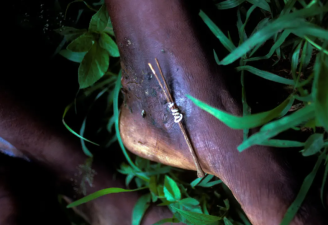
Guinea worm disease is set to be the first human parasitic illness to be eradicated globally without the use of vaccines or medical treatment. India has witnessed success in curbing the disease to just 1 case in 2023, down from over 3.5 million cases three decades ago in the early 1990s. In January 2024, India formally joined The Carter Center-led Guinea Worm Eradication Program aligning surveillance and reporting systems with global standards.
Case Burden Trends
Reported Guinea Worm Cases in India
| Year | Total Cases | Districts Reporting Cases |
| 1990 | 301,485 | 45 |
| 2000 | 12,752 | 4 |
| 2010 | 3,919 | 1 |
| 2023 | 1 | 1 |
Reasons for India’s Success
Community Awareness Drives
- Gram sabha led village level surveillance teams trained for reporting suspected cases.
- Youth volunteers conduct awareness drives on preventing infections from worm-infested water sources.
Institutional Efforts
- Water treatment programs focus on covering open sources and wells
- Formal reporting and containment protocols developed from district to state level.
- ASHA workers incentivized for reporting and patient management.
Challenges That Remain
Sporadic Small Outbreaks
- Occurrences still continue in tribal belts of Jharkhand as an endemic.
- Migrant populations also pose risks of spread.
Complacency Creeping In
- Disease not seen as priority now with cases declining.
- Affects grassroots monitoring infrastructure and surveillance quality.
Analyzing Ongoing Risk Factors
Parameters used
- Cases reported over last 5 years
- Adequacy of water source protection
- Population migratory trends
Commitments Under Global Partnership
Milestones
- Train district health workers on global guinea worm containment protocols by June 2024
- Establish 5 remote rapid response teams for deployment to remote outbreak regions by 2025
- Double spending over 5 years on drinking water surveillance systems in vulnerable tribal areas
India’s Support
- Committed funds worth $10 million towards global eradication efforts over next 8 years.
- Will provide technical capabilities towards disease modeling and containment approaches leveraging past learnings.
Returns for India
Health Savings
- Avoid disease resurgence related costs
- Protect vulnerable tribal populations from long term morbidity
Global Solidarity Dividends
- Raise India’s standing as a contributor to international public health goals
- Learn global best practices to strengthen domestic health systems against other diseases
Recent Developments
- National Centre for Disease Control (NCDC) has established a dedicated unit for monitoring and eradicating Guinea worm disease, in line with global standards. This 5-member team will coordinate district-level monitoring and containment.
- The NCDC in February 2024 revealed a pilot project to use satellite imagery, AI and machine learning for detecting risky water bodies in remote villages that could potentially enable disease outbreaks. This technology integration aims to overcome monitoring challenges in tribal areas.
- Jharkhand state government has launched a special program ‘Jhatpat Jal Suraksha’ in November 2023 focused specially on 100 vulnerable villages prone to sporadic cases. The program accelerates training of health workers and also creates employment for village youth in surveillance teams.
Vaccine Advances
- The Indian Council for Medical Research recently announced successful animal trials on a new vaccine candidate for Guinea worm disease. Human trials are expected to commence in late 2024.
- If trials succeed, India could offer its indigenously developed low cost vaccine as another armament to the global eradication arsenal by 2026-27.
- Producing and distributing vaccines could prevent resurgence, especially in remote regions.
Diplomatic Developments
- India’s Ministry of External Affairs has set up a dedicated fund of $25 million over 2021-2025 to technically assist South Sudan’s efforts. This covers deployment of health personnel and surveillance infrastructure aid for the nation worst affected by guinea worm currently.
- The partnership aims for South Sudan to be free of Guinea worm transmission by 2026 through India’s targeted assistance.
The health gains brought about by near eradication of Guinea worm disease in India have been hard fought. As India renews its global commitment to wipe out the remaining few cases, the interventions planned will have to balance intensity with sensitivity of traditional populations involved. Eliminating the disease parasite from the earth permanently by 2030 will stand out as a landmark human cooperation story for generations to come with India having played a pivotal leadership role towards the end stages.
Last Modified: February 27, 2024