
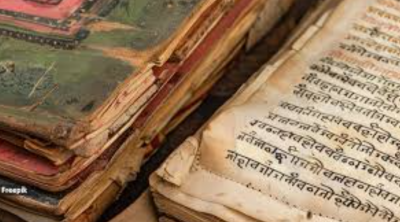
India has recently expanded its list of Classical Languages by adding Marathi, Pali, Prakrit, Assamese, and Bengali. This move, approved by the Union Cabinet in October 2024, increases the total recognised Classical Languages to eleven. The designation honours languages with ancient origins and rich literary heritage. It also supports their preservation, study, and promotion in modern times.
Significance of Classical Language Status
Classical Language status recognises a language’s antiquity and cultural importance. It honours languages with texts and traditions spanning over 1500 years. This status helps protect and promote these languages. It encourages research and education, ensuring their relevance . It also raises their prestige nationally and internationally.
Criteria for Classical Language Recognition
Languages must meet specific criteria to be declared Classical. These include a recorded history of at least 1500-2000 years. They must have a rich body of ancient literature valued by generations. The language’s classical form may differ from its modern version. There should be evidence in inscriptions, manuscripts, and scholarly texts. The language must show continuity or distinct classical phases.
New Additions and Their Heritage
Marathi traces its roots to Maharastri Prakrit and has a literary history over two millennia. Pali is the sacred language of early Buddhist texts like the Tipitaka. Prakrit represents a group of Middle Indo-Aryan languages foundational to many modern Indian tongues. Assamese developed from Magadhi Apabhramsa and flourished by the 8th century. Bengali evolved from Magadhi Prakrit and has a rich literary tradition linked to major cultural movements.
Literary Contributions
Marathi’s earliest known work is the Gathasaptasati, dating back 2000 years. Pali preserves Buddhist philosophy and ethics through canonical texts. Prakrit was used by Buddha and Mahavira to reach common people and influenced regional literature. Assamese literature includes ancient Buddhist Charyapadas, reflecting early linguistic stages. Bengali literature boasts spiritual hymns, epic translations, and modern literary giants like Rabindranath Tagore.
Promotion and Preservation Efforts
The Central Institute of Indian Languages (CIIL) leads promotion of Classical Languages. Special Centres of Excellence support research, documentation, and teaching. These centres digitise manuscripts, translate texts, and publish research. They link classical studies with archaeology, anthropology, and history. Universities and institutes receive grants to study and propagate classical heritage. Tamil, Telugu, Kannada, Malayalam, and Odia have dedicated centres. New centres for Marathi, Pali, Prakrit, Assamese, and Bengali are expected to strengthen preservation.
Role in Cultural Identity and Education
Classical Languages are a vital part of India’s cultural identity. They connect modern India with its ancient heritage. Their study encourages understanding of philosophy, literature, and history. They inspire national integration and cultural pride. Government initiatives encourage young scholars to engage with these languages. This supports the vision of Atmanirbhar Bharat by blending tradition with progress.
Questions for UPSC:
- Critically analyse the role of classical languages in preserving India’s cultural heritage with suitable examples.
- Explain the criteria used by the Government of India to grant Classical Language status and discuss its implications for linguistic diversity.
- What are the challenges faced in promoting classical languages in a multilingual society? How can technology aid in overcoming these challenges?
- Comment on the relationship between language, identity, and national integration in the context of India’s linguistic policies.
Answer Hints:
1. Critically analyse the role of classical languages in preserving India’s cultural heritage with suitable examples.
- Classical languages embody ancient texts, philosophies, and cultural values spanning over 1500-2000 years.
- Languages like Sanskrit, Tamil, Marathi, Pali, and Bengali preserve religious, literary, and historical knowledge (e.g., Tipitaka in Pali, Gathasaptasati in Marathi).
- They serve as a bridge connecting modern India with its diverse intellectual and spiritual traditions.
- Classical languages have influenced many modern Indian languages, enriching linguistic diversity and continuity.
- Government recognition elevates their prestige, encouraging research, education, and cultural pride.
- Examples – Tamil’s Tolkāppiyam, Bengali’s Rabindranath Tagore’s works, and Prakrit’s role in spreading Buddhism and Jainism teachings.
2. Explain the criteria used by the Government of India to grant Classical Language status and discuss its implications for linguistic diversity.
- Criteria include antiquity of texts/history spanning 1500-2000 years and a rich body of ancient literature.
- Language must have distinct classical form, possibly differing from modern variants, with epigraphical and manuscript evidence.
- Continuity or discontinuity with modern forms is considered to establish classical identity.
- Recognition supports preservation, scholarly study, and promotion of linguistic heritage.
- Implications include enhanced prestige and resources for classical languages, encouraging respect for linguistic diversity.
- It encourages safeguarding minority and regional languages, strengthening cultural pluralism within India.
3. What are the challenges faced in promoting classical languages in a multilingual society? How can technology aid in overcoming these challenges?
- Challenges include declining native speakers, limited contemporary usage, and competition from dominant languages.
- Lack of accessible learning resources and insufficient institutional support hinder promotion.
- Multilingualism creates fragmentation and shifting language preferences among youth.
- Technology can digitize manuscripts, create online courses, and develop language learning apps to widen access.
- Audio-visual tools and translation software help in dissemination and cross-lingual understanding.
- Digital archives and AI-based research facilitate preservation and scholarly studies of classical texts.
4. Comment on the relationship between language, identity, and national integration in the context of India’s linguistic policies.
- Language is a core marker of cultural and regional identity, encouraging community belonging.
- India’s linguistic policies aim to balance respect for regional languages with national unity.
- Recognition of classical languages promotes cultural pride and strengthens pluralistic identity.
- Promoting multilingual education encourages harmony and mutual respect among diverse groups.
- Language policies support Atmanirbhar Bharat by linking heritage preservation with modern progress.
- National integration is enhanced by celebrating linguistic diversity while encouraging shared cultural values.