
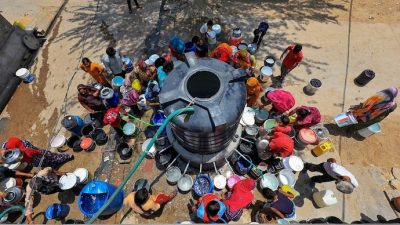
The India Meteorological Department (IMD) has issued warnings for an exceptionally hot summer in 2025. Northwestern India is predicted to experience nearly double the usual number of heatwave days. Traditionally, this region sees five to six heatwave days per season. This year, forecasts suggest an alarming increase to 10 to 12 days.
About Heatwaves
A heatwave occurs when temperatures rise above seasonal averages. In India, a heatwave is defined as temperatures reaching at least 40 degrees Celsius in the plains or 30 degrees in the hills. The IMD’s Seasonal Heat Outlook marks that most of India will experience above-normal temperatures this summer.
Record Heat in 2024
Last year, India recorded an unprecedented 554 heatwave days, the highest in history. This raises concerns about whether 2025 will surpass those records. The IMD has not confirmed if this summer will break last year’s heat records, but the outlook remains grim.
Regional Temperature Variations
While most of India is expected to face above-normal temperatures, some areas may experience near-normal or slightly cooler conditions. The southernmost parts of peninsular India and isolated regions in the northeast are exceptions to the overall trend.
Temporary Relief for Northern India
In the coming days, northern India, including Delhi, is likely to see a temperature rise of 1-2 degrees. However, a brief respite may occur due to north-westerly winds from Rajasthan. These winds are expected to bring a sudden drop in temperatures by 3-4 degrees, resulting in dry and hazy conditions across Punjab, Haryana, and Rajasthan.
Precautionary Measures
With the heatwave conditions intensifying, authorities are preparing to issue heat advisories. Residents are urged to take necessary precautions to remain safe during these extreme weather conditions. Staying hydrated and avoiding outdoor activities during peak heat hours are essential measures for public safety.
Impact on Daily Life
The rising temperatures can affect daily life. Increased heat can lead to health risks, especially for vulnerable populations. It can also impact agriculture, water supply, and overall economic productivity.
Future Projections
The IMD’s forecasts indicate a worrying trend of increasing heatwave days in the coming years. Climate change is factor contributing to these extreme weather patterns. Continued monitoring and adaptive strategies are essential to mitigate the impact of rising temperatures.
Questions for UPSC:
- Discuss the implications of climate change on agricultural productivity in India.
- Critically examine the role of the India Meteorological Department in disaster management.
- What are the health impacts of prolonged heatwaves? How can communities prepare for such events?
- Explain the phenomenon of urban heat islands. What measures can be taken to mitigate their effects?
Answer Hints:
1. Discuss the implications of climate change on agricultural productivity in India.
- Climate change leads to unpredictable weather patterns, affecting planting and harvesting seasons.
- Increased temperatures and altered rainfall can cause crop failures and reduced yields.
- Extreme weather events, such as droughts and floods, threaten food security.
- Shifts in pest and disease patterns can further impact crop health.
- Farmers may need to adopt new agricultural practices and technologies to adapt to changing conditions.
2. Critically examine the role of the India Meteorological Department in disaster management.
- The IMD provides critical weather forecasts and early warnings for extreme weather events.
- It plays a key role in monitoring climate trends and issuing advisories to the public and authorities.
- IMD collaborates with other agencies for effective disaster response and preparedness strategies.
- Its data informs policy-making and resource allocation for disaster management efforts.
- Continued investment in technology and research is essential for improving forecasting accuracy.
3. What are the health impacts of prolonged heatwaves? How can communities prepare for such events?
- Prolonged heatwaves can lead to heat exhaustion, heatstroke, and exacerbation of pre-existing health conditions.
- Vulnerable populations, such as the elderly and children, are at higher risk of heat-related illnesses.
- Communities can prepare by establishing cooling centers and providing access to clean drinking water.
- Public awareness campaigns can educate residents on recognizing heat-related symptoms and safety measures.
- Emergency response plans should include protocols for heatwaves and health service readiness.
4. Explain the phenomenon of urban heat islands. What measures can be taken to mitigate their effects?
- Urban heat islands occur when urban areas experience higher temperatures than surrounding rural areas due to human activities and infrastructure.
- Factors include reduced vegetation, increased concrete surfaces, and waste heat from buildings and vehicles.
- Mitigation measures include increasing green spaces, implementing green roofs, and using reflective building materials.
- Urban planning can prioritize sustainable designs that enhance airflow and reduce heat retention.
- Community involvement in tree planting and maintaining parks can also help reduce urban heat effects.