
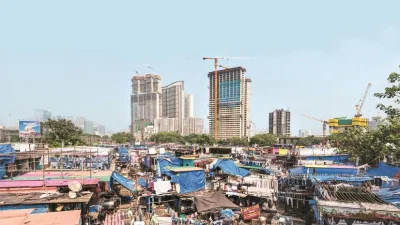
India has made remarkable progress in reducing consumption inequality between 2011-12 and 2022-23. According to recent World Bank data, the country now ranks fourth lowest globally in consumption inequality measured by the Gini coefficient. This shift challenges widespread perceptions of high inequality in India and marks important trends shaping the nation’s economic landscape.
About Consumption Inequality
Consumption inequality measures differences in household spending rather than income. The World Bank’s findings rely on India’s Household Consumption Expenditure Survey (HCES) 2022-23, which uses internationally accepted methods. Despite some criticisms about excluding elite consumption and consumer durables, the data shows a clear and substantial decline in inequality. India’s Gini coefficient dropped from 28.8 to 25.5, reflecting improved distribution of consumption across society.
Income Inequality Versus Consumption Inequality
Income inequality is often viewed through the lens of top income shares, especially the top 1 per cent. However, India lacks official income distribution data. Studies by the World Inequality Lab (WIL) estimate income shares using tax data and assumptions about consumption patterns. These assumptions may underestimate income for the bottom 80 per cent and overestimate it for the top groups. Even so, WIL data shows a slight increase in income share for the bottom 50 per cent and a decrease for the top 10 per cent between 2017 and 2022.
Role of Taxation and Welfare Policies
Post-tax income assessments reveal a more equitable picture. The top 1 per cent paid over 42 per cent of total taxes in 2023-24, reducing their effective income share. Meanwhile, welfare transfers amounting to roughly 8 per cent of GDP support lower-income groups. These fiscal measures contribute to lowering income inequality by redistributing wealth and increasing the disposable income of the poor.
Changing Nature of Wealth and Income
Inherited wealth is no longer the main source of high incomes in India. Around 60 per cent of top earners are first-generation entrepreneurs, sportspeople, and leaders in fintech and startups. India has produced many young billionaires who have earned wealth through innovation and enterprise. This shift signals a more dynamic and inclusive economic environment.
Macroeconomic Factors Affecting Inequality
The relationship between the return on capital and GDP growth influences income distribution. When economic growth outpaces returns on capital, labour’s share of income rises, reducing inequality. In India, real lending rates and capital returns adjusted for risk and taxes are lower than GDP growth rates. Combined with government fiscal support, this dynamic encourages inclusive growth.
Improvements in Living Standards
India has lifted approximately 320 million people out of extreme poverty since 2012. Dietary patterns show increased consumption of nutritious foods like fruits, vegetables, milk, and protein-rich items across all income groups. The poorest 20 per cent have seen the most improvements. Government schemes such as Ayushman Bharat further enhance welfare and health outcomes.
Challenges and Future Directions
Despite progress, India must address remaining challenges. Closing tax loopholes and improving data on income distribution will strengthen inequality assessments. Continued focus on welfare policies and inclusive growth strategies is essential to sustain and deepen gains in equality.
Questions for UPSC:
- Critically analyse the impact of consumption inequality versus income inequality on economic policy formulation in developing countries.
- Explain the role of fiscal policies and welfare programmes in reducing income inequality with suitable examples from India.
- What are the macroeconomic factors influencing income distribution? How do these factors interact with economic growth to affect inequality?
- Comment on the significance of first-generation entrepreneurs in transforming income patterns in emerging economies like India.