
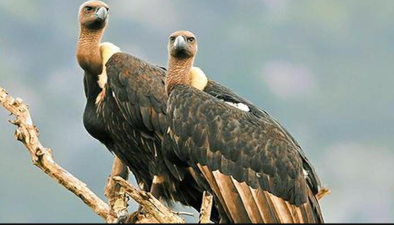
India’s vulture populations have plummeted by over 95% since the 1990s. This decline is linked to the veterinary use of diclofenac, a drug toxic to vultures. Their loss poses serious ecological and public health challenges. Vultures act as nature’s waste managers by rapidly consuming animal carcasses. This prevents the spread of deadly pathogens such as anthrax, rabies, and botulism. Their role in disease control is crucial in pandemic preparedness.
Vultures and Public Health
Vultures remove carcasses that could otherwise harbour harmful pathogens. By consuming dead animals swiftly, they reduce the risk of zoonotic spillover. Spillovers occur when diseases jump from animals to humans. Without vultures, carcasses remain longer, increasing infection risks. These birds thus form a natural barrier against outbreaks of diseases that could lead to pandemics.
Central Asian Flyway and Regional Significance
India’s vultures are part of the Central Asian Flyway (CAF), a migratory route spanning over 30 countries. This corridor connects breeding sites in Central Asia to wintering grounds in South Asia. Millions of birds including vultures traverse this flyway annually. The CAF links ecosystems and disease risks across borders. Poorly managed carcass sites along the flyway can become hotspots for pathogen spillover, making vulture conservation a regional priority.
Challenges to Vulture Conservation
Despite their importance, vulture conservation faces funding and coordination gaps. Threats like electrocution from power lines and poisoning from veterinary drugs persist. Conservation efforts remain fragmented and underfunded. Integration into national One Health frameworks is limited. Communities living near vultures are underutilised in surveillance and awareness activities. This weakens the potential for effective pandemic prevention.
Future Strategy for India’s Vultures
Post-2025, India’s vulture conservation can focus on five pillars – 1. Satellite telemetry to track habitats and identify spillover hotspots. 2. A Decision Support System (DSS) integrating wildlife, livestock, and human health data for real-time risk analysis. 3. Stronger One Health coordination across environmental, veterinary, and public health sectors. 4. Transboundary collaboration along the CAF aligned with international biodiversity and health agreements. 5. Empowering local communities, especially women and youth, as frontline actors in surveillance and education.
Opportunities and Global Leadership
India hosts key vulture species like the Himalayan griffon and Eurasian griffon. With innovation in telemetry and data systems, India can lead in linking biodiversity conservation with pandemic preparedness. Protecting vultures is cost-effective compared to outbreak management expenses. Integrating surveillance across sectors and regions can build systemic resilience. India’s model may inspire similar efforts globally, strengthening health security through biodiversity.
Questions for UPSC:
- Point out the role of migratory bird corridors like the Central Asian Flyway in biodiversity conservation and public health.
- Critically analyse the One Health approach in managing zoonotic diseases with suitable examples from India’s wildlife conservation.
- Estimate the impact of veterinary drug policies on wildlife populations and their broader ecological consequences.
- What are the challenges in integrating environmental conservation with pandemic preparedness? How can community participation enhance such efforts?