
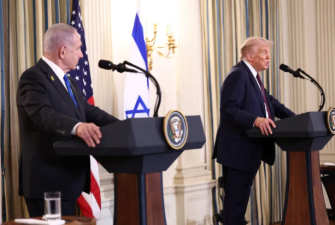
Recent developments have sparked cautious optimism in the Israel-Palestine conflict. United States President Donald Trump revealed a peace plan in the presence of Israel’s Prime Minister Benjamin Netanyahu. Hamas agreed to release all Israeli hostages, prompting Trump to call for a halt to Israeli bombings. Despite this, deep-rooted tensions and past actions cast doubt on lasting peace.
Background of the Conflict
The conflict intensified after a Hamas terror attack on Israel in October 2023. Israel responded with a brutal military campaign targeting Gaza. The violence caused massive displacement and destruction in Palestinian territories. Israeli leaders used harsh language, dehumanising Palestinians and comparing the conflict to biblical wars. This approach has hardened divisions.
Israeli Military Strategy and Political Stance
Israel’s military policy centres on overwhelming force to eliminate Hamas. The government, led by Netanyahu and far-right ministers, rejects the idea of a Palestinian state. Plans to annex parts of the West Bank continue despite international opposition. Israeli strikes have extended beyond Gaza to Iran, Syria, and other regional actors, marking a more aggressive regional posture.
Impact on Palestinians and Gaza
The Gaza Strip has suffered extensive damage, including loss of life, infrastructure collapse, and worsening humanitarian conditions. Palestinians face forced displacement and restricted return. The targeting of civilians and civilian infrastructure has drawn accusations of war crimes. Hamas remains resilient despite losses and continues to command support among Palestinians.
International Reactions and Shifts
Global opinion is shifting as Israel’s actions draw criticism. The European Union considers trade restrictions and sanctions on Israeli officials. Norway excludes Israeli companies from its sovereign wealth fund. Boycott campaigns gain traction worldwide. Even within Israel, public opinion shows a growing desire to end the conflict. Military leaders and opposition politicians question Netanyahu’s war strategy.
Challenges to Peace Prospects
Trump’s peace plan excludes Hamas from any political role and demands disarmament, which Hamas rejects. The plan’s acceptance depends on Israel’s willingness to restrain military actions and engage diplomatically. However, Netanyahu’s firm stance and far-right influence complicate negotiations. The United States’ unwavering support for Israel appears less certain amid international pressure.
Regional Implications
Israel’s military actions in neighbouring countries signal a shift towards regional dominance. Air strikes in Iran and attacks on Hamas negotiators abroad show a willingness to confront enemies beyond its borders openly. This broadens the conflict and increases instability in West Asia.
Future Outlook
Despite military successes against Hamas leadership and allies, Israel has not achieved its goal of defeating Hamas. The conflict’s humanitarian toll and international isolation pose challenges. Peace depends on diplomatic engagement, changes in Israeli policy, and broader regional cooperation.
Questions for UPSC:
- Taking example of the Israel-Palestine conflict, discuss the role of international diplomacy in resolving long-standing territorial disputes.
- Examine the impact of military strategies on civilian populations in modern conflicts. How can international law address these issues?
- Analyse the influence of regional hegemonies in West Asia. Discuss in the light of Israel’s recent military actions beyond its borders.
- Critically discuss the role of public opinion and political leadership in shaping the course of protracted conflicts, with suitable examples from global contexts.