
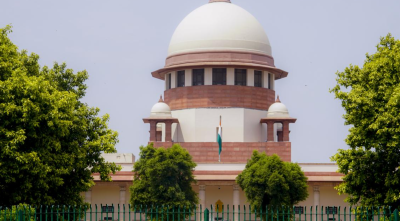
The Supreme Court of India recently examined the scope of judicial review over Governors’ discretionary powers concerning State legislation. This follows a landmark case where the Tamil Nadu Governor delayed assent to Bills for years. Chief Justice B.R. Gavai questioned why courts can review Governors’ reports under Article 356 but not their decisions under Article 200. This debate marks the balance of powers between the judiciary, the executive, and the legislature in Indian federalism.
Background on Articles 356 and 200
Article 356 empowers the President to impose President’s Rule in a State if the Governor reports failure of constitutional machinery. Courts have the power to review such proclamations to prevent misuse. Article 200 gives Governors authority to assent, withhold, or reserve State Bills. Traditionally, this power is considered discretionary and legislative in nature.
Judicial Review and Governor’s Discretion
The Supreme Court’s 1994 S.R. Bommai verdict allowed judicial scrutiny of President’s Rule but did not extend this to Governors’ decisions on Bills. The recent case challenges this distinction. The Court asked why the same logic of reviewability should not apply to Article 200 powers. This raises questions about accountability and timely governance in States.
Arguments by Centre and States
The Union Government and several BJP-ruled States argued that Governors’ discretion under Article 200 is broad and not subject to judicial deadlines. They claimed Parliament is the proper forum to address any Governor’s misconduct. They resisted judicial interference, citing separation of powers and federal autonomy.
Counterarguments by Legal Experts
Senior advocates argued that assent to Bills is the final legislative act and must be timely. Delays undermine democracy and governance. The Chief Justice referenced Dr. B.R. Ambedkar’s vision that Centre and States should respect their domains unless emergencies arise. The judiciary’s role is vital to prevent executive overreach.
Implications for Indian Federalism
This case tests the limits of gubernatorial power and judicial oversight. It could redefine Governor’s role from a largely ceremonial figure to one under stricter judicial control. It also impacts legislative efficiency and federal balance. Ensuring timely assent protects democratic processes and State autonomy.
Judicial Deadlines on Governor’s Actions
The Supreme Court’s earlier ruling suggested three-month deadlines for Governors to decide on Bills. This aims to prevent indefinite delays. The ongoing debate questions whether courts can enforce such timelines without infringing on executive discretion.
Significance of the Presidential Reference
The Presidential Reference Bench headed by Chief Justice Gavai is examining the constitutional validity of judicial review over Article 200 powers. Its verdict will have far-reaching consequences for governance, federal relations, and separation of powers in India.
Questions for UPSC:
- Point out the significance of judicial review in maintaining the balance of power in Indian federalism with suitable examples.
- Critically analyse the role of the Governor in Indian States and its impact on legislative processes.
- What are the constitutional provisions related to President’s Rule in India? Estimate the challenges in its implementation.
- Underline the importance of timely legislative assent in democratic governance and how delays may affect State autonomy.