
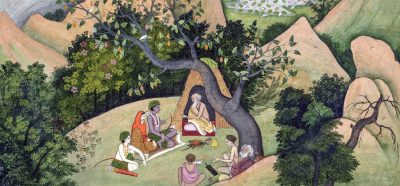
The Kangra Miniature painting, an integral subset of the Pahari paintings, is a unique and significant art form that emerged in the hills of North India. It incorporates various other traditions including Guler, Basholi, Mandi, Chamba, and Bilaspur. Renowned for its small size and intricate details, these miniature paintings are typically created using watercolor on cloth or paper. The genesis of this art form is deeply connected with key historical events and geographical shifts, particularly Nadir Shah’s invasion of Delhi in 1739.
Historical Catalysts For The Emergence Of Kangra Paintings
When Nadir Shah conquered Delhi in 1739, it resulted in a mass migration of Mughal artists. Seeking refuge from the uncertainties of the plains, these artists found solace in the hills. There, they discovered a vast pool of patrons enthusiastic about their art, which eventually led to the founding of the Kangra school of painting. This significant shift marked a new chapter in the journey of Indian art history.
Innovations And Inspirations In Kangra Art
By the mid-eighteenth century, the Kangra artists had begun to develop a distinct style, a significant departure from older art forms. The source of inspiration for this new style was predominantly the Vaishnavite traditions. This noticeable transformation in artistic expression was characterized by softer color palettes, featuring cool blues and greens, and a lyrical treatment of themes.
Distinctive Features Of Kangra Style
Kangra style, a term often used interchangeably with Kangra painting, derives its name from the common thread of style it shares with the portraits of Raja Sansar Chand of Kangra, a prominent patron of this art. Despite each painting’s individual thematic concentration, the overarching style remains consistent, underlining the artistic unity of this tradition.
A Snapshot of Kangra Painting Facts
| Aspect | Detail |
|---|---|
| Size | Miniature |
| Medium | Watercolor on cloth or paper |
| Major Influencer | Nadir Shah’s invasion of Delhi |
| Inspiration | Vaishnavite traditions |
| Characteristics | Soft colors, lyrical treatment of themes |
| Named After | Raja Sansar Chand of Kangra |
The Influence Of The Kangra School of Painting
The Kangra School of painting, while rooted in historic migrations and cultural transitions, has continued to shape and influence the landscape of Indian art over the centuries. Through an unwavering commitment to its foundational roots and a continuous exploration of fresh inspirations, it remains a pivotal representative of the expansive realm of Indian miniature paintings.
Last Modified: February 6, 2024